




Stop the Long Lie: Reducing Fall-Related Injuries
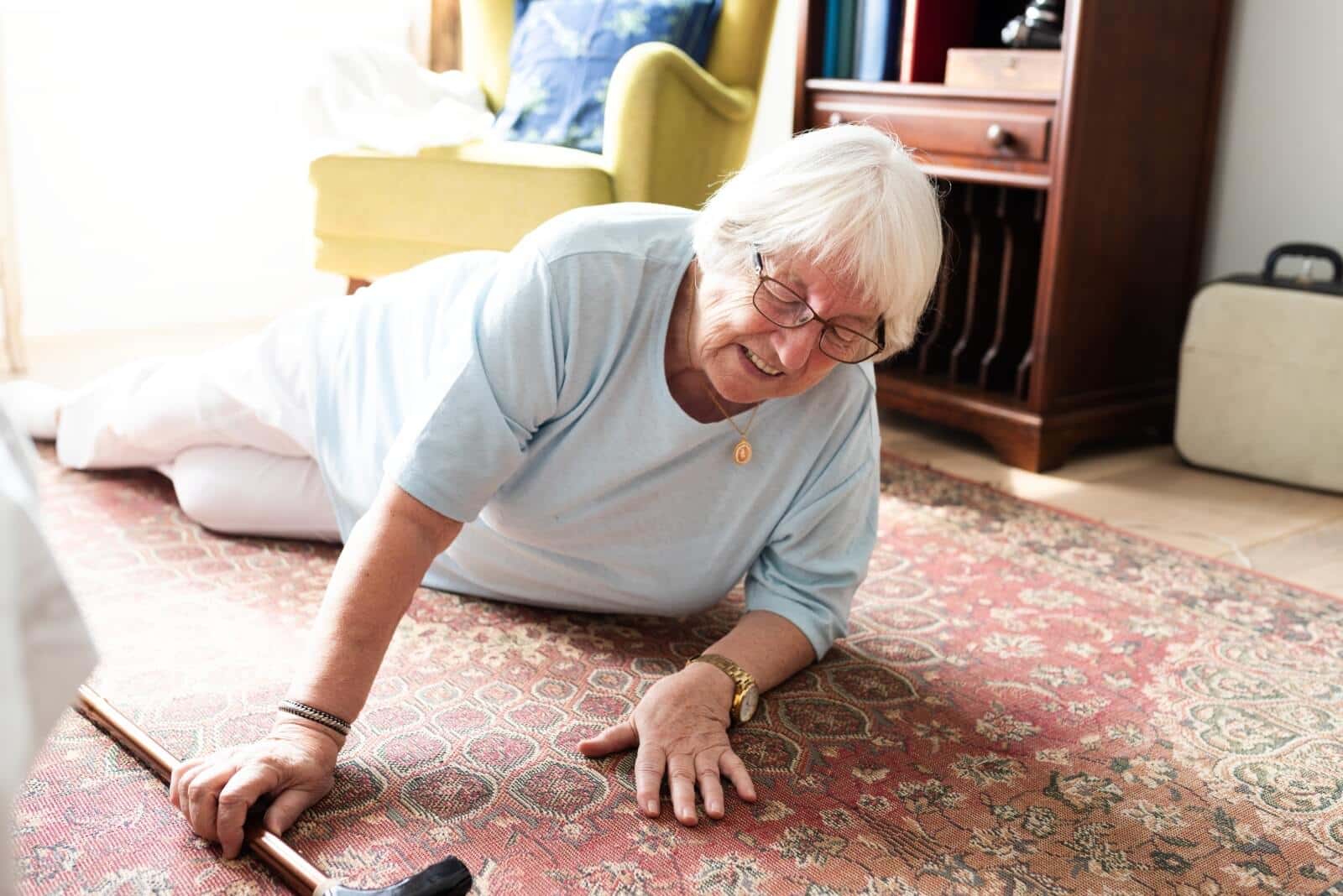
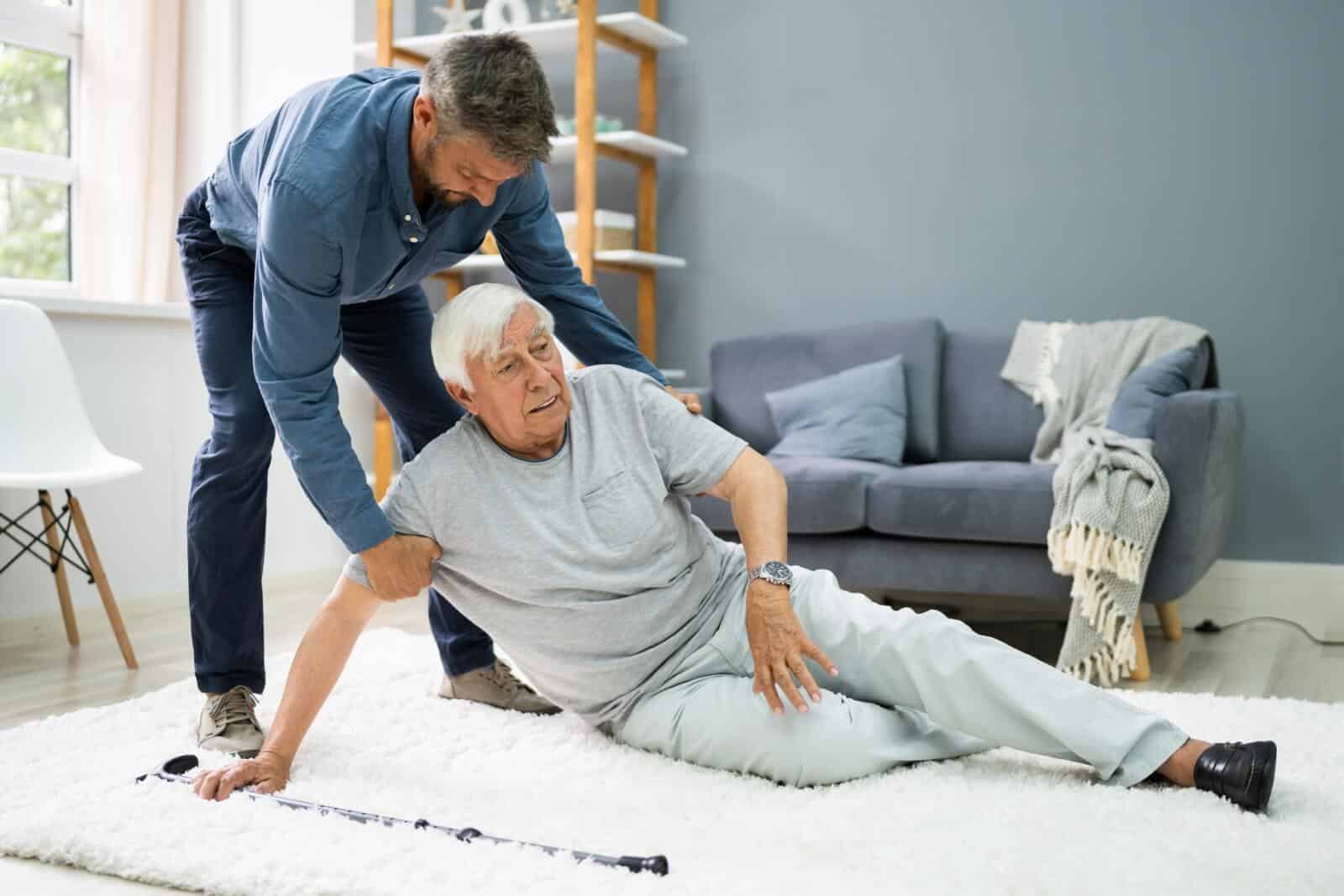
A sudden slip or trip can happen in an instant, but the aftermath often determines the severity of the event. For many older adults, the most dangerous part of a fall is not the initial impact. It is the period that follows, especially if they are unable to get back up. Medical professionals refer to this extended period on the floor as a “long lie,” and it poses severe risks to an individual’s health and recovery.
When someone is immobilized on the ground for hours, their body undergoes immense stress. Even a relatively minor tumble can escalate into a severe medical emergency if help does not arrive promptly. This is where modern technology steps in to provide a critical safety net.
Fall detection devices have transformed how we handle independent aging and emergency response. By automatically calling for help when a user cannot, these tools dramatically reduce the time spent waiting for assistance. As a result, Lifeline’s fall detection devices play a massive role in minimizing the severity of fall-related injuries and giving both seniors and their families much-needed peace of mind.
How Fall Detection Devices Work
Modern fall-detection technology relies on a sophisticated blend of sensors to continuously monitor a user’s movements. The two primary components at work inside these wearable pendants and watches are accelerometers and gyroscopes.
Accelerometers measure speed changes. If a person suddenly drops toward the floor, the accelerometer registers this rapid acceleration. Gyroscopes monitor changes in orientation and balance. When these two sensors detect a sudden downward trajectory followed by a harsh impact and a shift to a horizontal position, the device’s algorithm identifies the event as a fall.
Some advanced systems also utilize “man-down” sensors. If a user slowly slides out of a chair and does not experience a hard impact, the accelerometer might not trigger an alarm. However, the man-down sensor notices that the device has remained motionless in a horizontal position for a set period. Once this happens, the system automatically initiates an alert to a monitoring center, ensuring that unusual immobility is never ignored.
Reducing Fall-Related Injuries Through Fast Response
While fall detection devices cannot physically stop a fall from happening, they are incredibly effective at mitigating the consequences. The primary way they reduce the severity of fall-related injuries is by triggering a fast emergency response, which directly addresses the dangers of the long lie.
Prolonged immobilization on the floor can lead to a cascade of medical complications. A person unable to move may suffer from severe dehydration. Lying on a cold surface for an extended period often causes hypothermia, which places immense strain on the heart and organs. Additionally, remaining in one position can lead to severe muscle damage and increase the risk of developing pneumonia.
When a fall detection device triggers an automatic alert, a monitoring center connects with the user instantly. Even if the individual is unconscious or in too much pain to press their help button, the system dispatches emergency services or contacts a designated caregiver. This rapid intervention stops secondary complications in their tracks, ensuring that a treatable injury does not spiral into a life-threatening condition.
Boosting Independence and Confidence
The physical benefits of rapid emergency response are clear, but the psychological advantages of fall detection devices are equally profound. Many seniors who live alone experience a pervasive fear of falling. This anxiety often leads them to limit their daily activities so they can maintain the independence they value. They might avoid taking walks, climbing stairs, or even moving around their own homes.
Unfortunately, this self-imposed restriction creates a dangerous cycle. When older adults reduce their physical activity, their muscles weaken, and their balance deteriorates. This loss of strength and mobility inherently increases their future risk of falling.
Wearing a fall detection device breaks this cycle. Knowing that a safety net is always active provides a massive boost in confidence. Seniors feel more secure navigating their daily routines, running errands, and engaging in light exercise. By encouraging an active lifestyle, these devices help users maintain their muscle tone and balance, which acts as a natural defense against future falls.
Choosing the Right Solution
Selecting the proper medical alert system depends on an individual’s lifestyle and daily habits. At Lifeline, we offer specific solutions tailored to different levels of activity, ensuring that you are protected wherever you go.
If you or your loved one spends the majority of time indoors, the HomeSafe system is an excellent choice. You can add optional fall detection to your HomeSafe setup, allowing the wearable pendant to sense falls and connect you to help immediately, even if you cannot press your button.1
For those who maintain an active routine outside the house, the On the Go system provides comprehensive protection. It features advanced GPS technology alongside automatic fall detection. Whether you experience a medical emergency in your living room, at the grocery store, or during a walk in the park, the system can pinpoint your location and dispatch help directly to you.
Prioritize Your Peace of Mind
Aging independently should not mean living in fear. By securing a reliable method for calling for help, you protect your physical health and preserve your freedom. Fall detection devices are an essential tool for reducing the severity of fall-related injuries, preventing long-term consequences, and empowering older adults to live life to the fullest.
If you want to ensure that you or your loved ones are protected around the clock, explore Lifeline’s medical alert solutions. Check out Lifeline’s fall detection devices today to find the perfect system for your lifestyle and secure your peace of mind.
- Fall Detection does not detect 100% of all falls. Users should always push their button when they need help.