





How to Prevent Falls at Home with Fall Detection Devices
Aging safely in a familiar environment is a top priority for many seniors and their caregivers. However, the risk of falling presents a significant challenge to maintaining independence and mobility. Learning how to prevent falls at home is a critical step in ensuring long-term health and well-being.
By integrating environmental modifications with modern technology, families can significantly reduce the dangers associated with falling. Fall detection devices provide an essential safety net, offering peace of mind to seniors who live alone and the caregivers who support them.
Lifeline explores the common causes of household falls and explains how the latest detection technologies work. You will learn actionable strategies to secure your living space and discover how to choose the right tools to keep yourself or your loved ones safe.
Understanding the Risks: Common Causes of Falls at Home
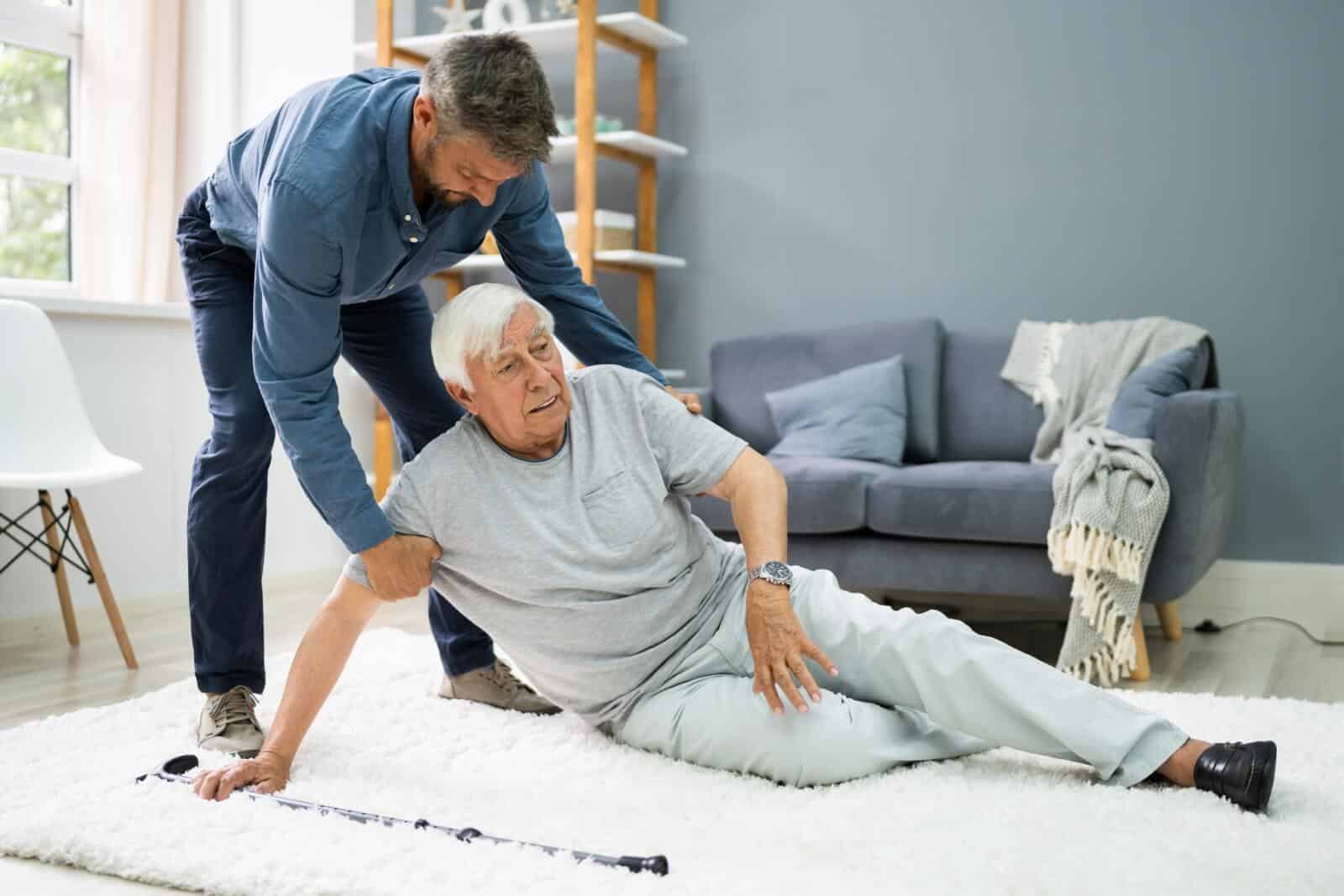
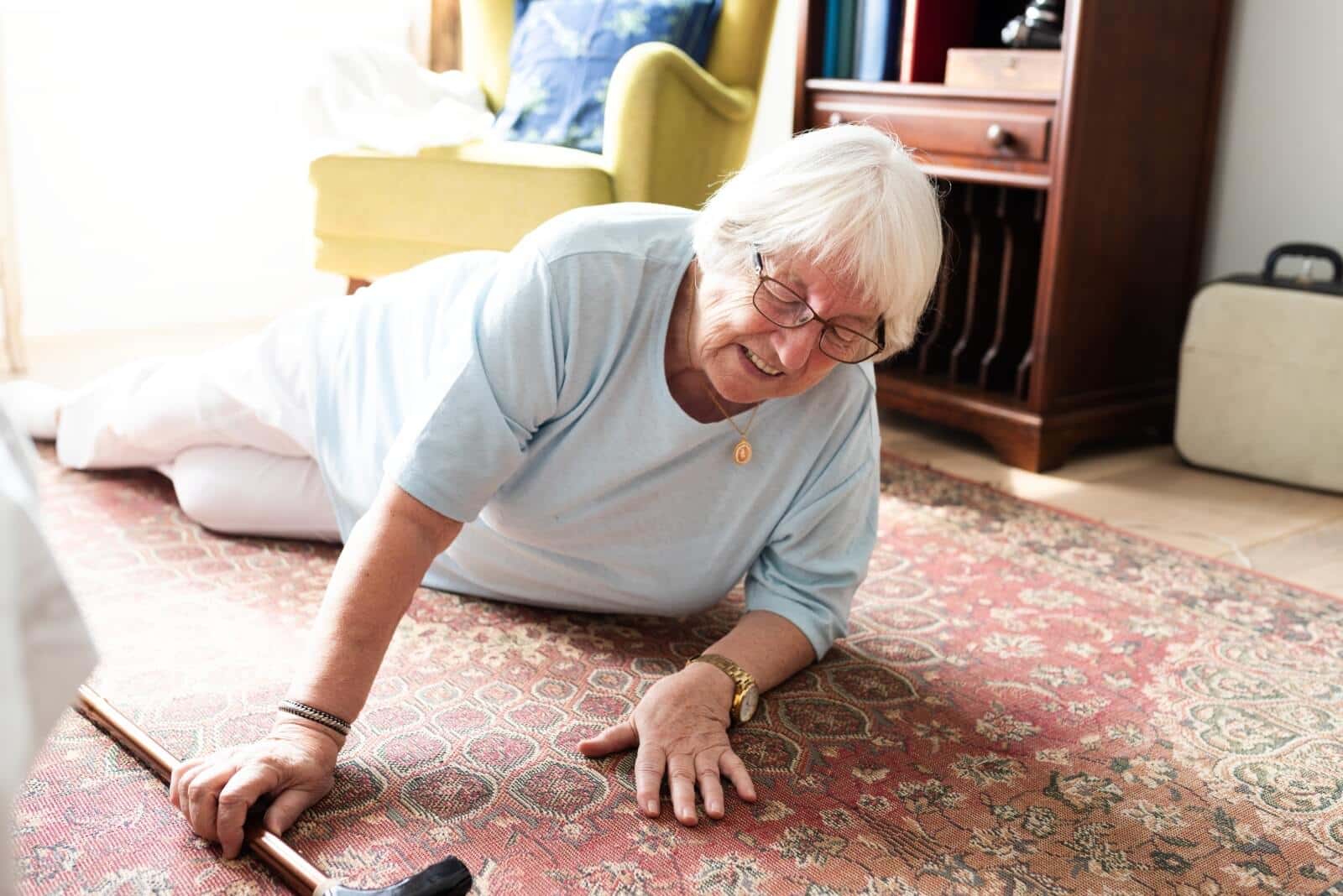
The home should be a haven, but it often contains hidden hazards that increase the likelihood of an accident. Poor lighting in hallways or staircases makes it difficult to navigate safely during the night. Cluttered floors, loose rugs, and exposed electrical cords frequently cause people to trip.
Physical factors also play a major role in home accidents. Muscle weakness, poor balance, and vision deterioration naturally occur as people age. Additionally, certain medications can cause dizziness or fatigue, further compromising stability. Identifying these physical and environmental risks is the first step toward implementing an effective prevention strategy.
The Role of Technology: How Fall Detection Devices Save Lives
Technology offers robust solutions for senior safety. Fall detection devices use advanced accelerometers and sensors to identify sudden, rapid motions or heavy impacts. When an individual falls, the device processes this movement and triggers an emergency alert. This mechanism operates even if the user is unconscious and unable to call for help themselves.
These tools provide immediate response capabilities. If a fall occurs, the device immediately alerts a response center, drastically reducing the amount of time a person spends helpless on the floor. While automatic fall detection is highly reliable, it does not detect 100% of falls. Users should always press their help button if they are able to do so. For situations where pressing the button isn’t possible, the automatic detection kicks in and alerts the response center, where a trained specialist can assess the situation and send the appropriate help. For active users outside the home, GPS location tracking helps responders locate the user quickly.
Smart Home Integration: Enhancing Safety with AI and IoT
The Internet of Things (IoT) has transformed how we secure our living spaces. Modern fall detection systems easily integrate with popular smart home hubs like Amazon Alexa or Google Nest.
This connectivity allows for automated safety routines. For instance, if a senior gets out of bed in the middle of the night, motion sensors can communicate with smart bulbs to automatically turn on hallway and bathroom lights.
If a fall does occur, the smart home system can unlock the front door for emergency responders or broadcast an alert through smart speakers to notify other family members in the house.
Practical Prevention: Environmental Changes to Secure Your Home
While technology is invaluable, physical modifications remain vital. To effectively prevent falls at home, you must secure the physical environment.
Begin by removing tripping hazards. Clear floors of loose rugs, extension cords, and unnecessary clutter. Next, improve the lighting throughout the residence. Install motion-sensor lights in key transitional areas, such as hallways, staircases, and bathrooms.
Safety fixtures are highly effective in preventing accidents in high-risk zones. Install sturdy grab bars inside and outside the shower, next to the toilet, and ensure that all stairways have secure handrails on both sides. Finally, encourage the use of proper footwear. Wearing supportive shoes with good traction inside the house is far safer than walking in slippery socks or unsupportive slippers.
Choosing the Right Device: A Guide for Caregivers and Seniors
Selecting the right device requires careful consideration of the user’s daily habits, physical condition, and privacy preferences. Caregivers should discuss these options openly with their loved ones to ensure compliance; a wearable device only works if the senior is willing to wear it.
Consider the layout of the home and the user’s activity level. Active seniors who frequently leave the house will benefit most from GPS-enabled mobile pendants or smartwatches. Individuals who spend most of their time indoors or who suffer from cognitive decline might be better served by ambient sensors that require no interaction to function properly.
Combining Vigilance with Lifeline’s Advanced Technology
Maintaining a safe home environment requires a proactive approach. By combining practical environmental modifications with reliable monitoring technology, you can protect your loved ones from the devastating consequences of a fall.
At Lifeline, we understand that safety and independence go hand in hand. Our advanced technology is designed to provide rapid assistance exactly when it is needed, empowering seniors to live confidently on their own terms.
Take the next step in securing your home today. Explore Lifeline’s automatic fall detection devices and give yourself the peace of mind that comes from knowing help is always just a moment away.