



For families who live apart, the holidays are often the first time in months that everyone is together under one roof. Beyond the joy of the reunion, it is a chance to see, in person, how your aging parents are really doing. Phone calls can hide a lot. A visit lets you notice the small things, kindly and without alarm, and offer a little more support where it would help. Here is a gentle checklist for your holiday visit.
QUICK ANSWER
The holidays are often the first in-person visit in months, which makes them a good time to notice how aging parents are doing. Look at their mobility and balance, memory and mood, how they are eating, and the condition of the home. Small changes can be early signs that a little more support would help them stay safe and independent.
Why the Holidays Are a Good Time to Check In
When you only talk by phone, a parent can sound perfectly fine while quietly struggling with things at home. Being there in person lets you see what words leave out: how steady they are on their feet, whether the fridge is stocked, how the house is kept. This is not about looking for problems. It is about noticing early, so you can help before a small issue becomes a crisis.
What to Notice During Your Visit
Keep it gentle and observational. You are spending time together, not running an inspection. These are simply the things worth noticing.
Mobility and physical health
- Are they steadier or less steady on their feet than before?
- Any new trouble with stairs, getting up from a chair, or balance?
- Signs of weight loss, or clothes fitting differently?
- Unexplained bruises, which can be a sign of falls
Memory, mood, and daily life
- Repeating stories or questions, or seeming more forgetful?
- Lower mood, withdrawal, or less interest in things they used to enjoy?
- Missed appointments, unpaid bills, or unopened mail piling up?
- Trouble keeping track of medications
The home itself
- Expired food in the fridge, or very little food at all?
- Clutter or trip hazards that were not there before?
- Scorched pots or signs of forgotten cooking?
- Is the home clean and well kept, or slipping?
If balance or falls are a worry, our guides on the fear of falling in older adults and what to do when an older adult falls are helpful next reads.
How to Start the Conversation
If you do notice something, how you raise it matters as much as what you say. The goal is to support their independence, not take it over. Lead with love and listen more than you talk.
Gentle ways to open the conversation
- Choose a calm, private moment, not the middle of the celebration
- Lead with care: “I want you to be able to stay in your home for a long time”
- Ask open questions and listen, rather than giving orders
- Focus on what would make daily life easier, not on what they can no longer do
- Involve them in any decisions, so they stay in control
- If it is a lot, start with one small step rather than everything at once
Simple Steps That Help
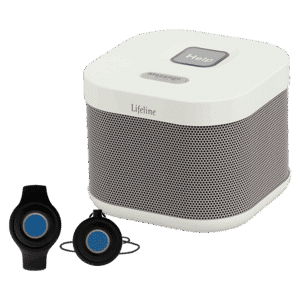
Often the most helpful changes are small: clearing trip hazards, improving the lighting, setting up a few groceries, or arranging a regular check-in call. For many families, a medical alert is part of that peace of mind, because it means a parent can reach help the moment they need it, even when you cannot be there. That reassurance is not only for the person wearing the button.
A gentle reminder
This article is general information, not medical advice. The signs here are things to notice and discuss, not a diagnosis. If you are worried about a parent’s health, memory, or safety, encourage a visit to their doctor.
Noticing, gently, is one of the most caring things you can do this season. That is what Lifeline has always been about. Not just for the person wearing it, but for everyone who loves them.
Give your family peace of mind this season. See how Lifeline keeps help within reach, 24/7.
Frequently Asked Questions
What should I look for when visiting elderly parents over the holidays?
Notice their mobility and balance, any memory or mood changes, how they are eating, whether medications are managed, and the condition of the home, such as food in the fridge, clutter, and unopened mail. Small changes can be early signs they could use more support.
How do I talk to my parents about needing more help?
Choose a calm, private moment, lead with love, and ask open questions rather than giving orders. Focus on helping them stay independent, involve them in decisions, and start with one small step rather than everything at once.
What are early signs an aging parent needs help?
Being less steady on their feet, unexplained bruises or weight loss, forgetfulness, missed bills or appointments, little food in the home, and a decline in housekeeping are common early signs worth noticing and gently discussing.
How can I help my parents stay safe at home after the holidays?
Clear trip hazards, improve lighting, set up groceries or a meal plan, arrange regular check-ins, and consider a medical alert system so they can reach help quickly. Small changes often make a big difference to safety and confidence.
Why are the holidays a good time to check on aging parents?
For families who live apart, the holidays are often the first in-person visit in months. Being there lets you notice things that phone calls hide, like how steady a parent is or how the home is kept, so you can offer support early.