



Falls can affect more than physical health, which is why fall prevention for seniors is about more than avoiding injuries. After a fall or near-fall, an older adult may become less confident about walking, exercising, leaving home, or completing everyday activities independently.
Preventing falls is also about supporting mobility, confidence, and independence.
No single change can prevent every fall. Instead, an effective approach looks at the different factors that can contribute to falls, from strength and balance to medications, vision, footwear, and hazards around the home. It also includes a plan for what to do if a fall happens despite those precautions.
Medical Disclaimer: The information provided in this article is for general educational purposes only and is not intended to replace professional medical advice, diagnosis, or treatment. The exercises, safety tips, and recommendations discussed may not be appropriate for everyone. Readers should consult a healthcare provider or physical therapist before beginning a new exercise routine or making changes to their health and safety practices, particularly if they have existing medical conditions, mobility limitations, or a history of falls. Discontinue any activity that causes pain, dizziness, or discomfort, and seek medical attention when appropriate.
Why Fall Prevention Matters for Older Adults
Falls are a significant health concern for older Americans. According to the Centers for Disease Control and Prevention (CDC), more than 14 million adults age 65 and older—about one in four—report falling each year. Falls are also the leading cause of injury among adults 65 and older.
A fall can result in fractures, head injuries, hospitalization, or difficulty completing everyday activities. Falling once also doubles the likelihood of falling again.
The effects can also be emotional. Some people become afraid of falling and respond by limiting walking, exercise, or social activities. The National Institute on Aging (NIA) cautions that reducing activity because of this fear can work against you: less activity can contribute to weakness, which may increase fall risk.
The goal of fall prevention is therefore not to discourage activity. It is to identify risks and make movement safer so older adults can continue doing as much as possible for themselves.
Common Causes of Falls in Seniors
Falls rarely have just one cause. Often, several circumstances come together at the same time.
For example, someone might feel slightly dizzy after standing, have difficulty seeing in a dim hallway, and then catch a foot on a loose rug. Each factor may seem minor on its own, but together they create a greater risk.
Common contributors include:
- Tripping over rugs, cords, clutter, or uneven surfaces.
- Slipping on wet floors.
- Losing balance while walking or changing direction.
- Feeling dizzy or lightheaded when standing.
- Missing a step because of poor lighting or vision difficulties.
- Wearing footwear that does not provide adequate traction or support.
- Reaching, climbing, or using an unstable object instead of asking for help.
- Medication side effects such as dizziness or drowsiness.
A fall is worth taking seriously even if it does not cause an obvious injury. It may reveal an environmental hazard, medication issue, balance problem, or other factor that can be addressed.
Risk Factors That Increase the Likelihood of Falls
Some fall risks are related to the environment, while others involve health and physical ability.
The CDC identifies several modifiable fall risk factors, including lower-body weakness, difficulty with walking or balance, vision problems, foot pain or poor footwear, certain medications, and hazards such as broken steps, throw rugs, and clutter. The likelihood of falling generally increases as risk factors accumulate.
Other issues worth discussing with a healthcare provider include dizziness, changes in hearing, chronic health conditions, and blood pressure changes when standing.
Medication review can be particularly important. Prescription medications are not the only consideration; some over-the-counter products may also affect alertness or balance. The CDC recommends asking a doctor or pharmacist to review medications that might cause dizziness or sleepiness.
A healthcare professional can help look at the whole picture rather than treating a fall as simply an accident.
Where Falls Are Most Likely to Happen
Many falls occur at home, where familiar surroundings can make potential hazards easy to overlook. The NIA recommends looking at the home room by room rather than assuming familiar spaces are automatically safe.
- Bathrooms deserve particular attention because water and smooth surfaces can create slipping hazards. Grab bars near the toilet and tub or shower, nonskid surfaces, and good nighttime lighting can make these spaces easier to navigate.
- Stairs and hallways should have clear pathways, adequate lighting, and secure handrails. Items should never be stored on stairs.
- Bedrooms can present risks when someone gets up during the night. A lamp or light switch within easy reach and nightlights along the route to the bathroom can help.
- Kitchens and living areas should have frequently used items within easy reach, spills cleaned promptly, electrical cords moved away from walking paths, and furniture arranged to allow clear passage.
- Outdoor areas matter, too. Uneven steps, debris, rain, snow, and ice can all create hazards. Railings, adequate lighting, and properly maintained walkways can help make entrances safer.
For a more detailed walkthrough, see our room-by-room guide to fall-proofing your home.
How to Prevent Falls at Home
A home safety review does not necessarily require major renovations. Many improvements are simple changes to everyday spaces.
Start with the places you walk through most often:
- Remove clutter from floors, hallways, and stairs.
- Remove or securely address loose rugs and carpeting.
- Route electrical cords away from walking paths.
- Improve lighting in hallways, stairways, entrances, and the path between the bedroom and bathroom.
- Install secure handrails where needed.
- Add properly installed grab bars around the toilet, tub, and shower.
- Use non-skid surfaces in areas that become wet.
- Store frequently used items where they can be reached without climbing or excessive stretching.
- Clean up spills promptly.
- Keep outdoor walkways clear and maintained.
If you have already fallen or have significant mobility concerns, the NIA notes that a physical therapist, occupational therapist, or other healthcare professional may be able to assess the home and recommend changes based on your individual needs.
Home safety should support independence rather than unnecessarily restricting it. The goal is to make everyday activities easier and safer.
Lifestyle Changes That Help Reduce Fall Risk
The home is only one part of fall prevention. Maintaining physical ability and addressing health-related risks are equally important.
Stay physically active
Activities that strengthen the legs and improve balance can help address important fall risk factors. The CDC specifically recommends strength and balance exercises and identifies Tai Chi as one example.
For practical ways to get started, see our guides to core exercises for seniors and resistance band exercises for seniors.
Have your medications reviewed
Tell your healthcare provider or pharmacist about all medications you take, including prescription and over-the-counter products. Ask whether any could contribute to dizziness, sleepiness, or balance problems.
Do not stop or change a prescribed medication on your own.
Take care of your vision and hearing
The NIA recommends regular vision and hearing checks because changes in either can contribute to fall risk. If you receive new glasses or contacts, give yourself time to adjust to them.
Choose supportive footwear
Shoes should fit properly and provide good traction. The NIA recommends nonskid, rubber-soled, low-heeled footwear rather than walking in socks or smooth-soled shoes or slippers.
Use mobility aids correctly
A cane or walker can improve stability when it is the right device and is fitted and used properly. A physical or occupational therapist can help determine which mobility aid is appropriate and teach you how to use it safely.
Early Warning Signs of Increased Fall Risk
You do not need to wait for a serious fall before reassessing safety.
Changes that may deserve attention include:
- A recent fall or near-fall.
- New difficulty getting out of a chair.
- Feeling less steady while walking.
- Holding onto furniture or walls for support.
- New dizziness or lightheadedness.
- Avoiding stairs or activities because of fear of falling.
- Changes in vision or hearing.
- Increasing difficulty using a cane or walker.
- Unexplained weakness or fatigue.
- A new medication or change in medication.
Falls themselves are an important warning sign. The CDC reports that more than half of older adults who fall do not tell their healthcare provider.
Tell your healthcare provider if you fall, even when you do not think you were injured. They may be able to identify contributing factors and recommend changes to reduce the likelihood of another fall.
What to Do After a Fall
If you fall, avoid attempting to stand immediately. First, assess how you feel and check for signs of injury.
If you experience severe pain, confusion, loss of consciousness, difficulty bearing weight, or a suspected head, neck, back, or hip injury, call 911 or use your medical alert system to request assistance. Do not attempt to get up on your own.
If you feel uninjured and can move safely, take your time. Avoid rushing or making sudden movements. Our step-by-step guide to getting up after a fall covers this process in more detail. If you are uncertain whether you can get up safely, request assistance rather than risking another fall.
Afterward, tell your healthcare provider about the fall. The NIA recommends reporting falls even when they do not cause pain, since a fall may point to an issue involving medication, eyesight, balance, or another health concern.
How Caregivers and Families Can Help Prevent Falls
Family members can help reduce fall risk without making an older adult feel that independence is being taken away.
Start with a conversation. Ask whether your loved one has felt unsteady, experienced a near-fall, or changed activities because they are worried about falling.
Caregivers can also help by:
- Walking through the home together to identify hazards.
- Improving lighting and clearing pathways.
- Helping arrange medication, vision, or hearing reviews.
- Encouraging appropriate strength and balance activities.
- Making sure mobility aids are in good condition and used properly.
- Accompanying a loved one to a healthcare appointment if they want support.
- Developing a plan for getting help during an emergency.
Avoid assuming that safety means doing everything for someone. Maintaining appropriate activity can be important for strength and confidence.
The CDC’s STEADI resources for patients and caregivers include fall-risk education and tools families can use together.
Tools and Support That Can Improve Safety
Fall prevention and fall preparedness are related, but they are not the same thing.
Strength training, medication review, better lighting, grab bars, supportive footwear, and other changes are intended to reduce the likelihood of a fall. A medical alert system serves a different purpose: helping someone connect with assistance if a fall or another emergency occurs.
That distinction matters because no prevention strategy can prevent every fall.
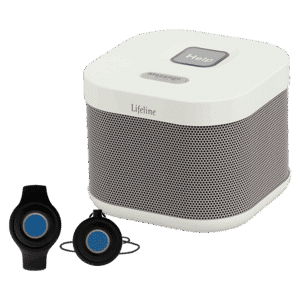
At Lifeline, our medical alert systems are designed to give older adults access to trained response support at home or on the go. Depending on individual needs, that can be one part of a broader safety plan alongside family support, healthcare, home modifications, and mobility aids.
Automatic fall detection is also available as an option with Lifeline systems. If a fall is detected, the system can automatically contact a Trained Care Specialist even when the wearer is unable to press the help button. No fall detection technology detects 100% of falls, however, so users should press their help button whenever they can.
The goal is not to replace prevention. It is to have another layer of support for the situations prevention cannot eliminate.
Staying Safe, Independent, and Confident
Preventing falls is not about becoming less active or giving up independence. In many cases, it is about making changes that allow you to move through daily life with greater confidence.
Start with the risks you can address. Clear walking paths. Improve lighting. Review medications with your healthcare provider or pharmacist. Keep up with vision and hearing care. Work on strength and balance at a level appropriate for you. Ask for professional guidance when something changes.
Then consider the other side of the plan: what happens if a fall still occurs?
Having trusted contacts, a phone or medical alert device within reach, and a clear plan for getting assistance can help make an unexpected situation more manageable.
At Lifeline, we believe safety and independence should support one another. Fall prevention can reduce risk, while reliable access to help can provide an additional layer of preparedness—helping older adults continue living their lives with confidence.
Frequently Asked Questions
What is the best way to prevent falls in seniors?
There is no single best strategy. Fall prevention is most effective when it addresses an individual’s risks, which may include strength and balance, medications, vision and hearing, footwear, mobility aids, chronic health conditions, and hazards around the home.
What are the biggest fall risks for older adults?
The CDC identifies lower-body weakness, walking and balance difficulties, certain medications, vision problems, foot pain or poor footwear, and home hazards among important modifiable risks. Often, several risk factors contribute to the same fall.
What exercises can help prevent falls?
Exercises that improve leg strength and balance are particularly relevant. Tai Chi is one example recommended by the CDC. The right routine depends on your abilities, so people with significant mobility, balance, or health concerns may benefit from guidance from a healthcare provider or physical therapist.
What should I do if I keep falling?
Repeated falls should be discussed with your healthcare provider. They can assess factors such as medications, balance, walking, vision, blood pressure, and health conditions and determine whether physical therapy or other support may be appropriate.
Does fall detection prevent falls?
No. Fall detection is designed to recognize patterns consistent with a fall and connect the wearer with help. It does not prevent the fall itself, and no fall detection technology detects every fall.
Should I tell my doctor if I fell but was not hurt?
Yes. The NIA recommends telling your healthcare provider about a fall even if you did not experience pain. A fall can reveal an issue that may be possible to address before another fall occurs.