








It’s a common and frustrating situation. You know a medical alert system could help keep your loved one safe, but they refuse to wear it.
The conversation often stalls at that point. Concerns about safety remain, but pushing too hard can create resistance or strain the relationship.
In many cases, the refusal is not about the device itself. It is about how the device makes them feel. Understanding that distinction can open the door to safer, more comfortable solutions.
Quick Answer
When a loved one refuses a medical alert system, the resistance is usually about independence rather than the device itself. The most effective approach is to reframe the conversation around staying in control, involve them in choosing the system, and start with a format that feels comfortable — whether that is a smartwatch, a mobile device, or a simple in-home button.
Why Refusal Happens — and What It Really Means
When “No” Isn’t About Safety, It’s About Independence
Many older adults associate medical alert systems with a loss of independence. Wearing a device can feel like a signal that they are no longer capable of managing on their own.
Even when safety risks are real, the emotional response can be just as strong. Some seniors worry about being monitored. Others feel that accepting help means giving up control over their daily lives.
These concerns are valid. Independence is closely tied to identity, and any perceived threat to it can lead to resistance.
Shifting the conversation away from “safety” and toward “staying in control” can make a meaningful difference. The goal is not to take independence away, but to support it in a way that feels comfortable.
Why Medical Alert Systems Still Matter
Even when a loved one resists the idea, it is important to recognize why medical alert systems are recommended in the first place.
Falls and sudden health events can happen without warning. When someone lives alone, the time it takes to get help can have a direct impact on outcomes.
Medical alert systems provide a simple way to connect with help quickly. With one button press, users can reach a trained care specialist who can assess the situation and contact the appropriate support.
Features such as fall detection add another layer of protection by automatically placing a call if a fall is detected.
These systems are designed to reduce risk, but they only work if they are used consistently. That is where the challenge begins.
The Real Problem: What Happens When They Refuse to Wear It?
A medical alert system cannot provide protection if it is left on a table or tucked away in a drawer.
This is the core issue for many families. Even when a system is purchased, it may not be worn regularly. Some seniors forget. Others choose not to wear it at all.
This creates a false sense of security. Caregivers may assume help is always within reach, when in reality the device is not being used.
The focus needs to shift from choosing the “best” device to choosing a solution that will actually be accepted and used.
It’s Not About the Best Device. It’s About the Right One.
When a loved one refuses to wear a device, the goal becomes finding an option that fits more naturally into how they already live.
The most effective solution is not always the most advanced one. It is the one that gets used. That means looking for options that feel familiar, require minimal adjustment, and don’t make the person feel like something is being imposed on them.
A few things worth keeping in mind:
- Does it fit their lifestyle? An active person needs something different than someone who is mostly at home.
- Does it feel like a medical device? For some older adults, appearance matters more than features.
- Does it require them to remember something or change their routine? The less it asks of them, the more likely it is to be used.
- Does it feel like their choice? Involvement in the decision increases acceptance significantly.
Solutions that align with how someone already lives are more likely to be accepted over time.
Finding the Right Fit: Lifeline Options for Every Comfort Level
Resistance to a medical alert system is often less about the idea of getting help and more about how that help looks and feels. For many older adults, the concern is not wanting to appear vulnerable or feel like they are giving something up.
The good news is that there is no single version of a medical alert system. Lifeline offers several options that provide real, reliable access to help while fitting more naturally into different lifestyles and comfort levels.
Matching the Solution to the Person
For Someone Who Doesn’t Want to Look Like They’re Wearing a Medical Device
The Lifeline Smartwatch combines the familiar look of an everyday watch with the same access to Lifeline’s Response Center. For older adults who are put off by a traditional pendant, this option can feel like a much easier yes — without compromising on the coverage they need.
For Someone Who Is Still Very Active and On the Go
Staying active shouldn’t mean compromising on access to help. Both the Lifeline Smartwatch and On the Go are designed with active lifestyles in mind. The Smartwatch combines the familiar look of an everyday watch with full access to Lifeline’s Response Center, while On the Go provides GPS location tracking and two-way communication from anywhere. For older adults who are out and about regularly, either option can provide reliable coverage without slowing them down.
For Someone Who Spends Most of Their Time at Home
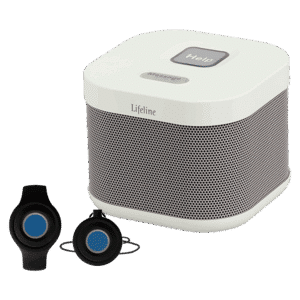
HomeSafe is a straightforward, low-maintenance option that provides access to help at the press of a button. For older adults who are overwhelmed by technology or simply want something simple, this is often the easiest starting point.
For Someone Who Isn’t Ready for a Device at All
Sometimes the most effective first step is the smallest one. A regular check-in routine, whether through a phone call, a scheduled message, or a structured service, can establish a pattern of communication without introducing anything new to wear or manage. It builds trust and opens the door to more over time.
How to Introduce These Options Without Resistance
How a solution is presented often matters as much as the solution itself.
Framing is important. Instead of focusing on risk, focus on connection and convenience. Emphasize how a particular option fits the way your loved one already lives rather than what it is designed to prevent.
Involving your loved one in the decision can also reduce pushback. When they feel like they have a say, they are more likely to accept the outcome and actually use what is put in place.
It can also help to introduce one change at a time. Adding too many new tools at once can feel overwhelming and increase resistance rather than reduce it.
When It’s Time to Revisit the Conversation
There may come a point when additional support becomes necessary, even if earlier conversations did not go well.
Changes in health, mobility, or day-to-day functioning can shift what feels acceptable. An option that was once refused may feel more reasonable after a close call or a change in circumstances.
Starting with a lower-barrier option like a check-in routine or a familiar-looking device can make this transition easier. As comfort and trust build, most older adults become more open to the idea of having consistent support in place.
The goal is not to find the perfect solution on the first try. It is to find the one that works right now, and build from there.