


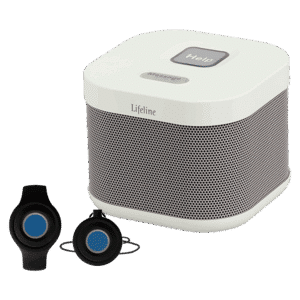






Understanding how fall detection works takes some of the mystery out of a technology many families rely on but few have seen explained. At its core, fall detection is a set of small sensors inside a medical alert button that watch for the specific pattern of a fall and, when they recognize it, connect the wearer to a Response Center automatically. This guide walks through what the sensors measure, how the system decides that a movement was a fall and not a sit-down or a stumble, what happens in the minutes after a fall is detected, and where the technology has real limits.
Quick answer: Fall detection is a feature in some medical alert devices that automatically senses a fall and contacts the monitoring center for help, even if the wearer cannot press the button. It works using built-in motion sensors and an accelerometer that recognize the sudden movement and impact of a fall. It adds a layer of protection but does not replace the help button.
What fall detection is, and what it is not
Fall detection is a feature built into certain medical alert buttons, including the pendants and Smartwatch offered with Lifeline systems. Its single job is to notice when the wearer has fallen and start a call for help without anyone pressing anything. It does not prevent falls, it does not monitor health conditions, and it does not replace the help button. Think of it as a second way to reach the same Response Center, one that works when the first way, pressing the button, is not possible.
The distinction matters because it sets honest expectations. A person who understands that fall detection is a backup for the button, not a replacement, tends to use both well.
The sensors inside the button
A fall detection button carries two kinds of sensors that work together.
Accelerometers measure how fast the button is moving and how sharply that speed changes. Everyday life produces gentle, gradual readings: walking, reaching, sitting down slowly. A fall produces something different: a sudden acceleration, then an abrupt stop when the body meets the floor.
Barometric pressure sensors measure tiny changes in air pressure, which is a reliable way to detect a change in height. Moving from standing to lying on the floor changes the pressure reading in a way the sensor can pick up. This is one reason the sensors can tell the difference between a hard sit and a real drop to the ground.
Neither sensor alone is enough. An accelerometer by itself would flag every dropped bag or slammed door. A pressure sensor by itself would flag every time someone bends down to tie a shoe. Together, they describe the shape of a fall well enough for the next step.
How the system decides it was a fall
The sensor readings feed an algorithm, a set of rules built from a very large number of real and simulated falls. The algorithm looks for the full signature: a sudden change in force, a change in height consistent with going to the floor, and, in most designs, a short period of stillness afterward. When all of those line up, the device treats the event as a fall.
This is also where false alarms are managed. The algorithm is tuned to ignore movements that share one feature of a fall but not the rest, such as sitting down heavily, dropping the button, or a bumpy car ride. No tuning is perfect, which is why the next step in the process exists.
What happens after a fall is detected
Once the device recognizes a fall, the sequence is designed to be simple and human.
- The button automatically places a call to the Lifeline Response Center. There is nothing the wearer needs to do.
- A Trained Care Specialist speaks through the button or the base unit and asks whether the person is all right. This is the point where a false alarm gets cleared: if you are fine, you say so and the call ends.
- If the person cannot respond, or says they need help, the specialist decides what kind of help is right, whether that is a family member, a neighbor on the contact list, or emergency services.
- The specialist stays on the line until help arrives, and can update family members according to the wearer’s plan.
The whole point of the voice check-in is that a real person makes the judgment call. The technology raises the flag; a person decides what to do about it.
Why Fall Detection Matters for Older Adults
According to the Centers for Disease Control and Prevention (CDC), more than one in four Americans age 65 or older experiences a fall each year. The National Council on Aging (NCOA) also reports that an older adult is treated in an emergency department for a fall every 11 seconds.
For many older adults, a fall can lead to injuries such as broken bones or head trauma, which may require long recovery times. Beyond the physical toll, the fear of falling can also cause some people to limit their activities or social interactions, which can impact their quality of life.
Fall detection provides an extra layer of reassurance. Knowing that help can be automatically summoned in the event of a fall allows many seniors to continue their daily routines with greater confidence.
Fall Prevention Tips
Fall detection is an excellent safeguard, but it’s equally important to take proactive steps to prevent falls in the first place. A few simple adjustments can go a long way in reducing your risk.
Home Safety Adjustments
- Remove tripping hazards such as loose rugs, electrical cords, or clutter on the floor.Make sure all stairways, hallways, and rooms are well-lit.
- Adding night lights in bedrooms and bathrooms is especially helpful for moving around safely after dark.
- Install grab bars in bathrooms near the toilet and shower, and consider using non-slip mats in areas where water may make floors slippery.
- Download our free eBook: A Room-by-Room Guide to Eliminating Common Causes of Falls.
Exercise and Health Maintenance
- Participate in low-impact exercise programs such as yoga, tai chi, or swimming to improve balance, flexibility, and muscle strength.
- Keep up with annual vision and hearing checkups. Good eyesight and hearing help you stay aware of your surroundings and reduce the chance of missteps.
- If you sometimes feel dizzy or unsteady, ask your doctor to review your medications and check your blood pressure. Some prescriptions can increase your risk of falling.
Even with these precautions, falls can still happen. That’s where Lifeline’s fall detection technology comes in.
How Fall Detection Works
What Is a Fall Detection System?
A fall detection system is part of a medical alert service designed to automatically connect you to a Trained Care Specialist if a fall occurs. This means that even if you are unable to press your help button, help can still be on the way.
How Lifeline Detects Falls
Lifeline fall detection technology uses built-in sensors inside your help button to monitor changes in movement and speed. If the system senses a sudden change that indicates a fall, it automatically connects to the Lifeline Response Center. A Trained Care Specialist will then check in with you and, if needed, send help to your location.
This automatic connection is especially valuable in situations where someone might lose consciousness or be unable to reach their help button after a fall.
Choosing the Right Fall Alert System
Do You Need Fall Detection?
Every Lifeline system includes a waterproof help button you can press anytime, even in the shower or bath, where many falls occur. But fall detection adds another level of reassurance.
For individuals who have experienced falls before, have health conditions that affect balance, or simply want to know that help is always within reach, fall detection can be an invaluable feature.
Cost of Fall Detection
Fall detection is available as an optional feature with Lifeline service for an additional $15 monthly fee. Many subscribers find that the peace of mind it provides is well worth the investment.
Fall Detection FAQs
Does fall detection work outside the home?
Yes, fall detection is available with Lifeline mobile systems and the Smartwatch. These work both inside and outside the home.
Does fall detection catch every fall?
No automatic fall detection catches every fall. Slow slides to the floor or falls cushioned by furniture may not register. That is why the help button still matters: if you can press it, you should. Fall detection is a backup for moments when you cannot.
Will fall detection call 911 automatically?
If a fall is detected, the system first connects you with a Trained Care Specialist. They assess the situation and can send emergency services or contact a caregiver, depending on your needs.
Can fall detection be turned off?
Yes, if you decide you no longer want automatic fall detection, it can be removed from your service plan.
Is fall detection 100% accurate?
No fall detection system can detect every single fall or rule out all false alarms. However, Lifeline uses advanced technology designed to recognize most serious falls and minimize unnecessary alerts.
Live with Confidence with Lifeline
Falls can happen when you least expect them, and you do not have to face that risk alone. If you or someone you love is thinking about fall detection, the product quiz takes two minutes and shows which system fits, or call 855-415-5755 to talk it through with a specialist. That is what Lifeline has always been about. Not just for the person wearing it, but for everyone who loves them.