







Many older adults and their families look into medical alert systems as a way to stay safe at home. A common question comes up early in the process: Does Medicare cover medical alert systems?
The answer can affect how people plan for care, budget for safety tools, and decide when to put support in place. Understanding what Medicare covers and what it does not can help you make informed decisions about your options.
Does Medicare Cover Medical Alert Systems? The Short Answer
In most cases, Medicare does not cover medical alert systems.
Original Medicare, which includes Parts A and B, typically does not cover personal emergency response systems. These devices are considered non-medical or convenience items, even though they provide important safety benefits.
This means that most people will need to pay out of pocket for a medical alert system or explore alternative coverage options.
How Medicare Coverage Works (At a High Level)
To understand why medical alert systems are not usually covered, it helps to look at how Medicare determines coverage.
Medicare generally covers services and equipment that are considered medically necessary for diagnosing or treating a condition. This includes hospital care, doctor visits, and certain types of durable medical equipment.
Medical alert systems fall outside of this category because they are designed to provide quick access to help rather than treat a medical condition directly.
Some items, such as walkers or oxygen equipment, qualify as durable medical equipment because they are essential for daily medical needs. Medical alert systems, while valuable, are viewed differently under current Medicare guidelines.
Are There Any Exceptions or Situations Where Coverage May Apply?
There are a few situations where partial coverage may be possible, though these are not guaranteed.
Some Medicare Advantage plans, also known as Part C, may offer additional benefits beyond Original Medicare. In certain cases, these plans include allowances or discounts for safety-related devices, such as medical alert systems.
Coverage varies widely depending on the provider and plan details. It is important to review your specific plan or speak with a representative to understand what may be included.
In some cases, state Medicaid programs or local assistance programs may provide support for medical alert systems, particularly for individuals with limited income or higher care needs.
What to Do If You’re Not Sure About Your Coverage
If you are unsure whether your plan includes any support for medical alert systems, the best next step is to verify your coverage directly.
You can:
- Contact Medicare or your Medicare Advantage provider
- Review your plan documents for supplemental benefits
- Speak with a licensed insurance advisor
Taking the time to confirm your coverage can help avoid unexpected costs and ensure you understand all available options.
If you are comparing systems at the same time, a medical alert system buyer’s guide can help you evaluate features, pricing, and service options in a structured way.
How Much Medical Alert Systems Typically Cost
Medical alert systems are usually offered through subscription-based plans.
Costs can vary depending on the type of system and features included. In-home systems are often more affordable, while mobile systems with GPS and fall detection may have higher monthly fees.
Some providers also charge equipment or activation fees, while others include equipment as part of the subscription.
Features that can affect cost include:
- Fall detection
- Mobile coverage outside the home
- GPS tracking
- Caregiver notifications
Understanding what is included in a plan can help you compare options and choose a system that fits your needs and budget.
What Are Your Options If Medicare Doesn’t Cover It?
If Medicare does not cover a medical alert system, there are still several ways to access one.
Many families choose to pay out of pocket, especially when safety and peace of mind are a priority. Others explore supplemental insurance plans or community-based programs that may offer financial assistance.
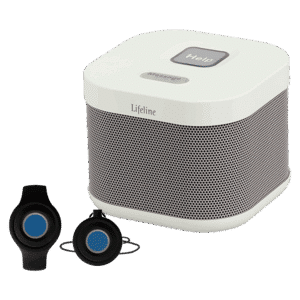
Another approach is to select a system that matches your lifestyle. For example, an in-home option like HomeSafe Cellular may be suitable for those who spend most of their time at home, while mobile options such as On the Go provide coverage both inside and outside the home.
Choosing the right type of system can help ensure that you are paying for features that are relevant to your daily routine.
Alternatives to Traditional Medical Alert Systems
Some people consider alternatives to traditional medical alert systems, especially if they are looking for lower-cost or more familiar technology.
Smartphones and wearable devices can offer emergency calling features or apps that connect users with family members. For example, tools like the Lifeline mobile app can support communication and coordination between users and caregivers.
However, these options may not provide the same level of reliability or immediate access to trained responders as a dedicated medical alert system.
When comparing alternatives, it is important to consider factors such as ease of use, response time, and whether the device will be worn consistently.
When Paying Out-of-Pocket May Be Worth It
Even without Medicare coverage, many families decide that a medical alert system is worth the cost.
Having immediate access to help can make a significant difference in emergency situations, particularly after a fall or sudden health event. Faster response times can reduce complications and provide reassurance for both seniors and caregivers.
For individuals who live alone or manage chronic conditions, the added layer of support can help maintain independence and confidence in daily life.
Features such as fall detection can provide additional protection by automatically placing a call for help when a fall is detected.
Frequently Asked Questions
Does Medicare ever cover medical alert systems?
Original Medicare does not typically cover medical alert systems because they are not classified as medically necessary equipment. Some Medicare Advantage plans may include limited benefits or discounts, but coverage varies by provider and plan.
Are medical alert systems considered durable medical equipment?
No, medical alert systems are not classified as durable medical equipment. Medicare defines that category as items used to treat or manage a medical condition, such as wheelchairs or oxygen equipment.
Can I get financial assistance for a medical alert system?
Financial assistance may be available through Medicaid, local aging programs, or nonprofit organizations, depending on eligibility. Some Medicare Advantage plans may also offer partial support.
Do all medical alert systems require a monthly fee?
Most systems operate on a subscription basis that includes monitoring services and access to responders. Costs vary depending on features and the type of system.
What is the difference between in-home and mobile systems?
In-home systems work within a residence using a base unit, while mobile systems use cellular networks and GPS to provide coverage outside the home. The right option depends on lifestyle and mobility.
Is fall detection included in all systems?
Fall detection is often an add-on feature rather than standard. It can automatically place a call for help if a fall is detected, but it should be viewed as an added layer of support.
Can caregivers stay connected through a medical alert system?
Many systems offer tools such as mobile apps or notifications that help caregivers stay informed about a loved one’s safety.
Are medical alert systems easy to use for seniors?
Most systems are designed for simplicity, with a single-button connection to help and wearable devices intended for daily comfort.
What happens when the help button is pressed?
The system connects the user to a trained responder who assesses the situation and contacts the appropriate help, such as a family member or emergency services.
Is a smartphone a good replacement for a medical alert system?
Smartphones can provide emergency calling, but they may be harder to use in urgent situations. Medical alert systems are designed for quick, simple access to help.
How do I know which system is right for me?
The right system depends on lifestyle, mobility, and personal preference. Reviewing options and using a medical alert system buyer’s guide can help narrow the choice.
Planning Ahead: Choosing the Right Safety Option for Your Needs
Planning for safety at home involves more than understanding coverage. It also means choosing tools that fit your lifestyle, health needs, and comfort level.
Medical alert systems are designed to support independence by providing quick access to help when it is needed. Options such as the smartwatch medical alert system offer a more discreet, wearable format for those who prefer a modern design.
For caregivers, having a plan in place can make a meaningful difference. Resources like a caregiver’s guide to medical alert systems can help families navigate decisions with greater confidence.
Making Informed Decisions About Safety and Coverage
Medicare coverage does not always extend to every tool that supports safety at home. While medical alert systems are not typically included, they remain an important option for many older adults.
By understanding your coverage, exploring available options, and choosing a system that fits your needs, you can take a proactive approach to safety and independence.