







High blood pressure affects nearly half of American adults, and many do not know they have it. That is what makes it so important to understand. Because it often causes no clear symptoms, it is sometimes called the silent killer. Still, there are warning signs worth knowing, including a few that surprise people, like pressure or pain in the ears. This guide walks through what high blood pressure can feel like, which symptoms signal an emergency, and the simple steps that help you stay ahead of it.
What is high blood pressure?
Your blood pressure refers to the pressure of blood within your arteries, which carries blood around your body to vital organs. It is normal for your blood pressure to fluctuate throughout the day, but when it consistently remains high, you should seek medical advice, as this can lead to serious issues such as heart attacks, strokes and kidney failure.
When you get a blood pressure reading, you will get top systolic blood pressure and bottom diastolic blood pressure numbers. Your systolic blood pressure is the highest level your blood pressure hits as blood is pumped around your body, and is an important indication of your risk of heart attack or stroke, while your diastolic blood pressure is the lowest level it reaches between your heartbeats.
Normal blood pressure should be no more than 140/90 mmHg. A systolic reading of between 140-180 mmHg and a diastolic reading of between 90-110 mmHg could indicate possible hypertension, whereas a systolic reading higher than 180 mmHg and diastolic reading higher than 110mmHg indicates severe hypertension1.
What causes high blood pressure?
High blood pressure causes may be related to a variety of factors, such as diet and lifestyle, although an exact explanation cannot always be determined. Consuming too much salt, not exercising regularly, smoking and drinking to excess can all be causes of high blood pressure.
Some individuals may be at an increased risk of high blood pressure. This includes smokers, those with long-term sleep deprivation and those with a family history of high blood pressure. Individuals from an African or Caribbean origin also have a higher risk of developing hypertension, as do older individuals as the risk increases as you age.
Does high blood pressure have symptoms?
For most people, the honest answer is no. High blood pressure rarely causes noticeable symptoms until it is very high or has been elevated for a long time. According to the American Heart Association, most people with high blood pressure feel completely normal, which is exactly why it earns the nickname the silent killer.
This is also why you cannot rely on how you feel to know whether your blood pressure is healthy. The only dependable way to know is to measure it. For older adults especially, regular monitoring at home or at the doctor catches a problem long before it would ever announce itself with a symptom.
Warning signs of high blood pressure
When blood pressure climbs high enough to produce symptoms, the signs people most often report include:
- Headaches, particularly ones that feel different from your usual headaches
- Dizziness or lightheadedness
- Blurred or changed vision
- Shortness of breath
- Chest discomfort
- Fatigue or confusion
- Pounding in the chest, neck, or ears
It is worth repeating that these tend to appear only when readings are high. Mild or moderately high blood pressure usually produces nothing at all. If you notice these symptoms, it is a reason to check your blood pressure and talk with your doctor, not to panic, but not to ignore either.
Can high blood pressure cause ear pain or pressure?
This is one of the most common questions people ask, and the answer is nuanced. High blood pressure itself does not usually cause ear pain directly. However, some people do notice ear-related sensations during a spike in blood pressure, including:
- A feeling of fullness or pressure in the ears
- Ringing in the ears, known as tinnitus
- A pulsing or whooshing sound that matches your heartbeat, called pulsatile tinnitus
- Ears that feel clogged or like they need to pop
Pulsatile tinnitus in particular, that rhythmic whooshing in time with your pulse, can sometimes be linked to blood pressure or blood flow changes and is worth mentioning to your doctor. That said, ear pain and pressure have many ordinary causes too, from congestion to ear infections to changes in altitude. Ear symptoms on their own are not a reliable sign of high blood pressure.
The takeaway: if you notice ear pressure or ringing along with other symptoms, or if it keeps happening, check your blood pressure and bring it up with your doctor. Do not assume your ears are telling you your blood pressure is high, and do not assume they are not. Measuring is the only way to know.
Understanding your blood pressure numbers
Knowing what the numbers mean helps you put any symptom in context. Blood pressure is written as two numbers, systolic over diastolic. Here is how the American Heart Association and American College of Cardiology categorize readings:
- Normal: less than 120/80 mm Hg
- Elevated: 120 to 129 systolic and less than 80 diastolic
- Stage 1 hypertension: 130 to 139 systolic or 80 to 89 diastolic
- Stage 2 hypertension: 140 or higher systolic or 90 or higher diastolic
- Hypertensive crisis: higher than 180/120 mm Hg, which needs immediate attention
How to keep your blood pressure in a healthy range
The encouraging news is that high blood pressure is one of the most manageable risk factors for heart health, and small, steady habits make a real difference:
- Move regularly. Even gentle, consistent activity helps. Our guide to the benefits of daily walking for seniors is an easy place to start.
- Watch the salt. Reducing sodium is one of the most effective dietary changes. These tasty low-sodium recipes make it simpler than it sounds.
- Stay active with any conditions you manage. If you live with a chronic condition, our tips on staying active with chronic conditions can help you do so safely.
- Limit alcohol, and do not smoke.
- Manage stress and sleep well.
- Take prescribed medication as directed, and monitor your blood pressure at home so you and your doctor can see what is working.
Because high blood pressure raises the risk of stroke, it is also worth knowing the warning signs of a stroke so you can act fast if they ever appear. And since dehydration can affect blood pressure and cause dizziness in older adults, our guide to the signs of dehydration in seniors is a useful companion read.
When high blood pressure is an emergency
This is the part to remember clearly. A blood pressure reading above 180/120 mm Hg combined with certain symptoms is a hypertensive emergency, and it requires calling 911 right away. According to the American Heart Association, those symptoms include:
-
- Chest pain
- Shortness of breath
- Back pain
- Numbness or weakness
- Change in vision
- Difficulty speaking
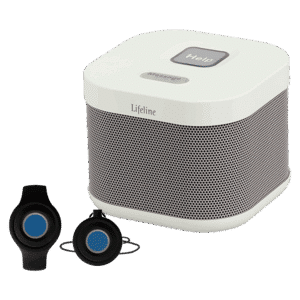
For an older adult living alone, having a fast way to call for help matters in moments like these. A medical alert system with a wearable help button means assistance is one press away if symptoms come on suddenly, and an option like the On the Go mobile system provides that protection at home and away from it.
The bottom line
High blood pressure is usually silent, so symptoms are not something to wait for. The most reliable protection is regular monitoring, healthy daily habits, and a clear plan with your doctor. Learn the emergency signs, keep an eye on your numbers, and you put yourself firmly in control of one of the most manageable risks to your heart and brain health.
This article is for general information and is not a substitute for medical advice. Always talk with your healthcare provider about your blood pressure and any symptoms you experience.
Frequently asked questions
Can high blood pressure cause ear pain or pressure?
High blood pressure is usually painless, but some people notice ear pressure, ringing, or a clogged feeling during a spike. These are not reliable warning signs on their own. If they happen often or with headache or dizziness, check your blood pressure and talk with your doctor.
Can high blood pressure cause nausea or vomiting?
Nausea or vomiting can occur during a very high reading, sometimes with headache or blurred vision. On their own they are not dependable signs of high blood pressure. Sudden severe symptoms with a very high reading need urgent care, so call your doctor or emergency services.
What are the warning signs of high blood pressure?
High blood pressure is often called silent because most people feel nothing. When symptoms appear they can include headaches, dizziness, blurred vision, or shortness of breath, usually only when readings are very high. The only reliable way to know is to measure it regularly.
How can I lower my blood pressure quickly?
There is no safe way to drop blood pressure in minutes at home. Over time, reducing salt, staying active, limiting alcohol, managing stress, and taking prescribed medication all help. A very high reading with chest pain, weakness, or trouble speaking is an emergency, so call for help.
Knowing your numbers is one of the simplest ways to look after yourself and the people who count on you. That is what Lifeline has always been about. Not just for the person wearing it, but for everyone who loves them.
Sources:
- American Heart Association, “What Are the Symptoms of High Blood Pressure?” (https://www.heart.org/en/health-topics/high-blood-pressure/know-your-risk-factors-for-high-blood-pressure/what-are-the-symptoms-of-high-blood-pressure)
- American Heart Association, “Understanding Blood Pressure Readings” (https://www.heart.org/en/health-topics/high-blood-pressure/understanding-blood-pressure-readings)
- Mayo Clinic, “High Blood Pressure (Hypertension) – Symptoms & Causes” (https://www.mayoclinic.org/diseases-conditions/high-blood-pressure/symptoms-causes/syc-20373410)