

The Sandwich Generation: Caring for Your Kids and Your Parents at Once
Seventeen million Americans are raising children and caring for a parent at the same time. This is for the people living in the middle of that math.


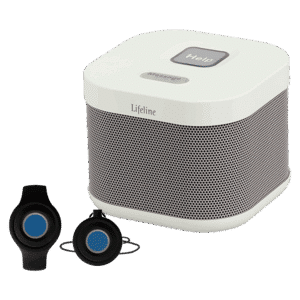


Take our short product selection quiz to see which system best fits your lifestyle
Take the Quiz!
Take our short product selection quiz to see which system best fits your lifestyle
Take the Quiz!
Seventeen million Americans are raising children and caring for a parent at the same time. This is for the people living in the middle of that math.

The last item in most fall prevention plans is the first thing to touch the floor. Here is what safe shoes look like, and which pairs to retire.

A UTI after 65 does not always announce itself the classic way. Learn the quieter signs, the truth about the confusion connection, and when to call the doctor.

Heart attacks can whisper before they shout, especially after 65. Know the subtle warning signs and why calling 911 is never an overreaction.

By the time an older adult feels too hot, their body may already be struggling. Learn why heat reaches aging bodies faster, and how to stay ahead of it.

Do crossword puzzles and brain games actually protect against dementia? Here’s an honest look at what the science really says, and what helps more.

A fall is frightening, but knowing what to do makes all the difference. A calm, step-by-step guide for helping an older adult after a fall.

Six exercises that use a chair, a counter, and a few minutes a day — and build the thing no home modification can supply: legs that catch you, and balance that keeps a stumble from becoming a fall.

A dementia diagnosis raises a fair question about medical alert systems: does a button still make sense? The honest answer is yes — often, and especially early. Here’s what helps at each stage, what fall detection and GPS change, and where a device fits into a real safety plan.

Most families aren’t short on options — they’re short on a clear way to compare them. Here’s a plain guide to the main types of technology that help older adults live safely at home, what each one is actually good at, and the one question that matters more than any feature list.

Not sure where to start? Get a recommendation from our product quiz.

Fill out a quick form and we'll call you for a free, no-obligation Lifeline quote.