






Fall proofing your home is one of the most effective things you can do for safe, independent living, and almost none of it requires a contractor. Most of what follows is a weekend, a hardware store list, and a fresh set of eyes on rooms you have walked through ten thousand times.
Quick Answer
Most falls happen at home, and most are largely preventable. Fall proofing your home means brighter lighting, secured rugs, grab bars in the bathroom, sturdy rails on the stairs, and clear walking paths, room by room. Paired with a medical alert system, these small changes make home safer and more confident.
The need is real without being alarming. According to the CDC, more than one in four adults age 65 and older falls each year, and the home is where most of those falls happen. That is actually good news in disguise: the home is the one environment you fully control. Here is how to work through it, room by room.
The entryway
- Light the path first. A bright bulb over the door and a motion light on the walkway do more than almost any other fix in this guide.
- Fix the step edge. A loose threshold or an uneven porch step is a classic trip point; paint the edge a contrasting color if it cannot be leveled.
- Give keys and bags a landing spot. A small table by the door means no fumbling with full hands on a step.
The living room
- Secure or retire loose rugs. Double sided tape or a non slip pad under every rug, and be honest about the ones that should simply go.
- Clear the walking lanes. Cords along the wall, never across a path, and furniture arranged so there is a clear route through the room.
- Check chair heights. A favorite chair that is hard to get out of invites an unsteady rise. Firm cushions and armrests help more than people expect.
The kitchen
- Keep daily items between hip and shoulder height. The step stool is where many kitchen falls begin; the goal is to need it rarely.
- Wipe spills immediately, and keep a towel within reach of the stove and sink so cleanup does not require a trip.
- Add a non slip mat where you stand to wash dishes.
The bathroom
The bathroom deserves the most attention. Hard surfaces, water, and movements like stepping over a tub edge make it the riskiest room per square foot in the house.
- Install grab bars in the shower and beside the toilet, anchored into studs. Towel bars are not grab bars.
- Use non slip mats inside and outside the tub or shower.
- Consider a shower chair and a handheld shower head; sitting removes the hardest balance task in the daily routine.
- Add a nightlight. Many bathroom falls happen on nighttime visits, in the dark, half awake.
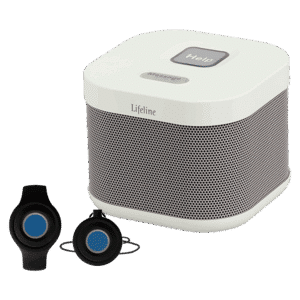
This is also the room where a waterproof help button earns its keep. Lifeline pendants can stay on in the shower, and fall detection can place a call automatically if a fall is detected. No fall detection technology detects 100 percent of falls, so the button should still be pressed whenever help is needed, but in the one room where falls are most likely, an extra layer matters.
The bedroom
- Light the path to the bathroom before your feet hit the floor: a bedside lamp within arm’s reach, plus a motion nightlight along the route.
- Sit on the edge of the bed for a moment before standing. Dizziness on rising is common and passes; give it the ten seconds it asks for.
- Keep the phone and your help button within reach of the bed, not across the room.
Stairs and hallways
- Rails on both sides, the full length of the stairs, anchored solidly. One rail is a start; two is the standard.
- Light switches at the top and the bottom, and never carry a load you cannot see over.
- Mark the top and bottom steps with contrasting tape if the edges blur together, and keep stairs completely clear. Stairs are not storage.
A safer home is not a smaller life. Every fix on this list makes the house easier to live in, not harder.
The weekend checklist
One Weekend, Ten Fixes
- Motion lights: entry, hallway, bathroom route
- Non slip pads under every rug that stays
- Grab bars: shower and toilet, into studs
- Non slip mats: tub, shower, kitchen sink
- Rails on both sides of the stairs
- Cords rerouted along walls
- Daily kitchen items moved to easy reach
- Nightlights: bedroom to bathroom
- Contrast tape on tricky step edges
- Help button placed within reach of the bed
Where a medical alert system fits
Fall proofing lowers the odds. A medical alert system answers the question the odds cannot: what happens if a fall still comes? HomeSafe covers you in and around the house, and On the Go adds GPS for the rest of your life outside it. Together with the fixes above, that is a home built for confidence, not caution.
Make the Button Part of the Plan
Pair a safer home with help that answers around the clock.
Walk the house once with this list in hand and most of it will be done by Sunday night. What you get in return lasts much longer: a home that quietly works with you, every day, in every room.
That is what Lifeline has always been about. Not just for the person wearing it, but for everyone who loves them.
Frequently Asked Questions
What is the most important room to fall proof first?
The bathroom. Hard surfaces, water, and movements like stepping over a tub edge make it the riskiest room in the house per square foot. Grab bars, non slip mats, a nightlight, and a shower chair address the biggest risks in a single afternoon.
What causes most falls at home?
The common culprits are poor lighting, loose rugs, clutter in walking paths, missing rails and grab bars, and rushing, especially at night on the way to the bathroom. Most are environmental, which means most can be fixed.
Do I need a contractor to fall proof my home?
Mostly no. Lighting, rug pads, cord management, decluttering, and nightlights are do it yourself jobs. Grab bars and stair rails should be anchored into studs, so if that is outside your comfort zone, a handyman can do both in a single visit.
How much does it cost to fall proof a home?
Most of the highest impact fixes are inexpensive: nightlights, rug pads, non slip mats, and contrast tape together typically cost less than a dinner out. Grab bars and rails add modest hardware and installation costs.
Does fall proofing replace a medical alert system?
They answer different questions. Fall proofing lowers the chance of a fall; a medical alert system makes sure help comes quickly if one still happens. The safest homes have both.