





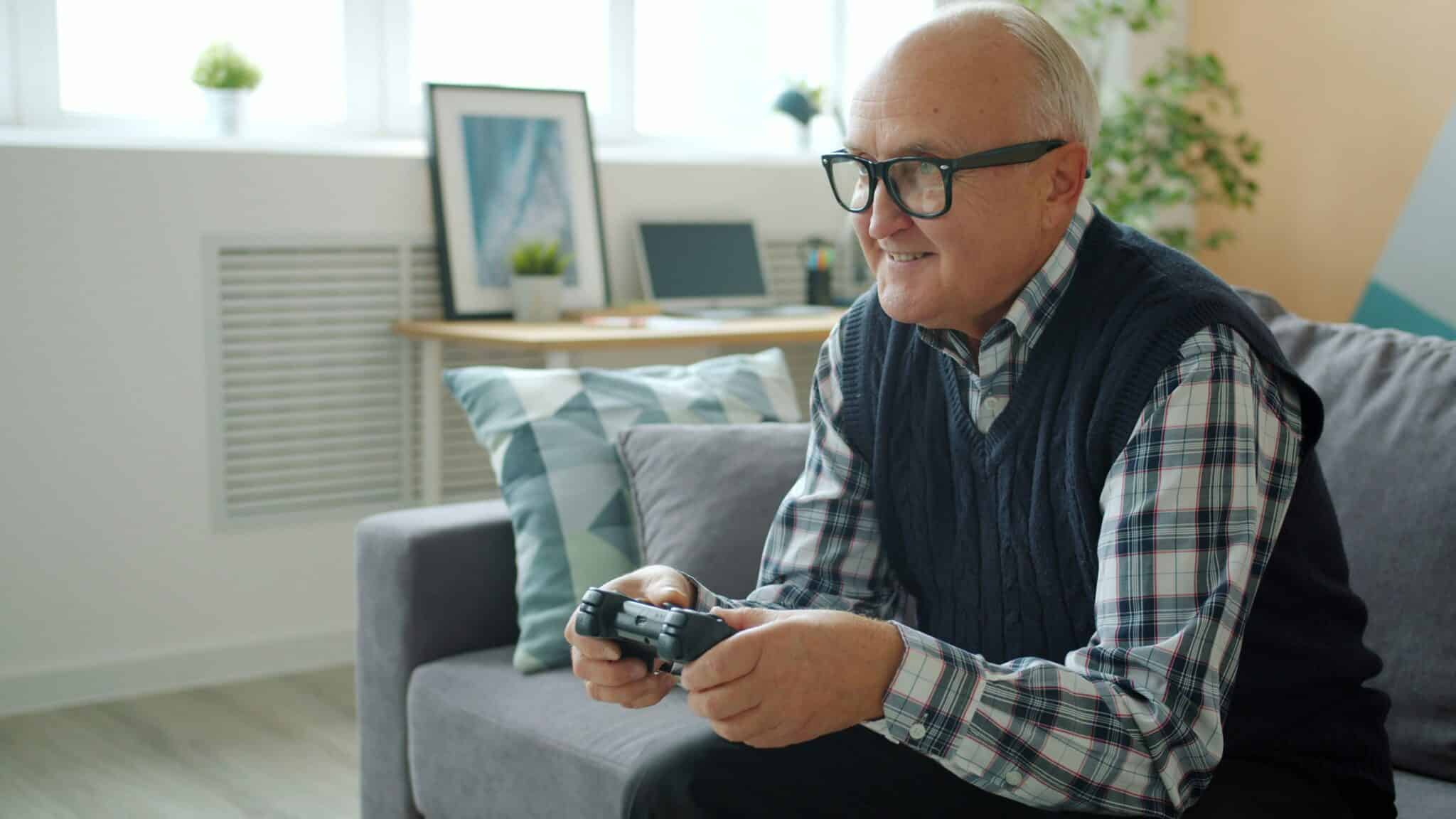
Video games are often associated with younger generations, but there is no age limit on enjoying them. Today’s games range from digital versions of familiar card and board games to puzzles, sports, creative simulations, and multiplayer experiences that can connect people across long distances.
For older adults, gaming can offer entertainment, mental stimulation, and another way to spend time with family and friends. Lifeline’s own guide to fun and engaging activities for seniors includes games among the many ways older adults can stay active and connected.
Video games do not need to promise dramatic health benefits to be worthwhile. Like reading, gardening, doing puzzles, or playing cards, they can simply be an enjoyable way to stay engaged.
Quick Answer
Video games can offer older adults enjoyment, mental stimulation, and new ways to connect with family and friends. Different games engage different skills — attention, problem-solving, memory, and reaction time — but no single game type is right for everyone. The best starting point is an activity the senior already enjoys, whether that’s cards, puzzles, trivia, or something new entirely.
Why Staying Mentally and Emotionally Engaged Matters
An engaged lifestyle can include hobbies, learning, physical activity, social interaction, volunteering, creative pursuits, and games. What matters most is finding activities that feel meaningful and enjoyable.
For seniors who spend more time at home because of mobility, transportation, or weather, technology can also create additional opportunities for recreation and connection. Lifeline notes that older adults can use technology to participate in virtual activities, play games with loved ones, and join online communities.
Gaming is only one option. It can complement—not replace—physical activity, face-to-face relationships, hobbies, and other parts of a balanced routine.
Can Video Games Be Beneficial for Seniors?
Yes. Depending on the type of game and how it is used, video games can offer older adults opportunities for enjoyment, mental engagement, physical activity, and social connection.
A systematic review and meta-analysis of video game-based interventions for active aging analyzed 21 randomized controlled trials involving 1,125 participants. The researchers found small positive effects in areas such as physical and social health, although outcomes varied across studies and game types.
That variety matters because different games ask different things of the player. Puzzle or strategy games may emphasize attention and problem-solving, multiplayer games can create opportunities for social interaction, and movement-based games can add a physical component.
Video games should not be treated as a therapy or assumed to produce the same benefits for everyone. For many older adults, though, enjoyment, novelty, mental challenge, movement, and opportunities to connect with others can all make gaming a worthwhile part of an active, engaged lifestyle.
Emotional Benefits of Playing Video Games
One of the simplest benefits of video games is also one of the most important: they can be fun.
Completing a puzzle, learning a new skill, reaching a goal, or improving at a favorite game can create a sense of accomplishment and give seniors something enjoyable to look forward to.
Video games can also add variety to the day, particularly for older adults who spend more time at home or have limited transportation options. A game can provide a change of pace without requiring travel or a complicated setup.
They can also become shared experiences. A grandparent and grandchild might play trivia together, compete in digital bowling, or work toward the same goal in a cooperative game. Those moments can create conversation, laughter, and a sense of connection.
Gaming does not need to serve a therapeutic purpose to be worthwhile. As part of a broader routine that includes social interaction, physical activity, hobbies, and rest, it can simply be another enjoyable way to stay engaged.
Cognitive Benefits of Video Games for Seniors
Different games ask players to use different mental skills. A puzzle game may involve problem-solving and pattern recognition, while a strategy game can require planning and decision-making. Card games may use memory and attention, and action-based games can involve reaction time and hand-eye coordination.
Learning a new game can also introduce unfamiliar rules, controls, and strategies, giving players opportunities to practice a range of cognitive skills.
One influential study of video game training in older adults published in Nature in 2014 tested a specially designed 3D driving game called NeuroRacer. Adults aged 60 to 85 trained on the game for 12 hours over the course of a month. After training, participants showed improvements in multitasking performance as well as measures of sustained attention and working memory, with some gains still evident six months later.
Those findings are promising, but they do not mean that every video game produces the same effects or that gaming prevents age-related cognitive decline. The researchers used a specific game designed to challenge cognitive control, so the results should not be generalized to all types of gaming.
For most seniors, a practical benefit is that games can provide an enjoyable challenge while putting skills such as attention, memory, planning, and problem-solving to use.
Social Benefits of Gaming
Video games do not have to be solitary.
Many can be played alongside someone in the same room or online with friends and relatives elsewhere. This can give families another shared activity, particularly when distance makes frequent visits difficult.
Possible options include:
- Online card and board games
- Family trivia
- Cooperative puzzle games
- Sports or bowling games
- Turn-based games that do not require everyone to be online at the same time
Having an activity to share can also make connecting feel more natural. Instead of simply scheduling a phone call, family members may have a game, friendly competition, or common goal to talk about.
Lifeline’s guide to social connection and mental health as you age emphasizes the importance of meaningful interactions, shared activities, and opportunities to stay involved with others.
Gaming should complement those relationships rather than become a substitute for them.
Types of Video Games That Are Well-Suited for Seniors
There is no single type of game that is best for older adults. Interests, experience with technology, vision, hearing, dexterity, mobility, and personal preference all matter.
Puzzle and Word Games
Digital crosswords, word searches, matching games, and logic puzzles may appeal to people who already enjoy similar activities on paper.
Card and Board Games
Digital versions of solitaire, chess, checkers, mahjong, and other familiar games can provide an easier introduction to gaming because the rules may already be known.
Lifeline’s guide to 10 fun games for seniors offers additional ideas for people interested in traditional games and puzzles.
Creative and Simulation Games
Some games allow players to build, decorate, garden, manage a town, create music, or explore virtual environments. Many can be played at a relaxed pace without quick reactions.
Social and Cooperative Games
Multiplayer games can be especially appealing when the goal is spending time with family or friends rather than competing.
Movement-Based Games
Bowling, dancing, balance, and fitness-oriented games combine play with physical movement. Research suggests exergaming may support some physical outcomes in older adults, although results depend on the program and individual.
Anyone with significant balance problems, mobility limitations, or health concerns should consider whether the movements are appropriate before participating.
Tips for Getting Started with Video Games
A first gaming experience does not need to involve an expensive console or complicated controller. Smartphones and tablets offer many simple games, and familiar activities are often a good starting point.
When choosing a game:
- Begin with an interest the senior already has, such as cards, sports, trivia, or puzzles
- Look for adjustable difficulty and accessibility settings
- Choose readable text and clear menus
- Consider whether the controller is comfortable to hold
- Use a larger screen when small text is difficult to see
- Keep early sessions short while learning
- Ask a friend or family member to help with setup when needed
Most importantly, let the older adult decide what is enjoyable. A game marketed as a “brain game” has little value if playing it feels like homework.
Addressing Common Concerns About Gaming
Like other screen-based activities, gaming works best as one part of a balanced day.
Long sessions may contribute to eyestrain, discomfort, or too much sedentary time. Taking regular breaks and changing position can help.
Movement-based games require additional attention to physical safety. Make sure there is enough open space, stable footing, and no nearby furniture or objects that could become hazards.
Online safety matters as well. Players should be cautious about unfamiliar messages, sharing personal information, requests for money, and in-game purchases.
Frustration can also be a barrier for beginners. Complicated controls or fast-moving games may simply be a poor match. Switching to a slower game or adjusting accessibility settings is often more useful than assuming gaming itself is not for them.
How Caregivers and Families Can Encourage Engagement
Family members can make technology feel more welcoming by treating gaming as something to enjoy together.
Start by asking what sounds interesting rather than choosing a game for someone. Help with setup, demonstrate controls slowly, and allow time to practice.
Playing together can be especially helpful. It shifts the experience from “learning technology” to sharing an activity.
Avoid treating gaming as childish or as an assigned brain exercise. Older adults should have the same freedom as anyone else to decide what they find entertaining.
For families looking beyond gaming, Lifeline’s guide to activities for seniors includes social, creative, indoor, and outdoor options for different interests and mobility levels.
Finding Joy, Connection, and Engagement Through Play
Video games do not need to serve a medical purpose to have value. A game that makes someone laugh, introduces a new challenge, creates a sense of accomplishment, or gives family members something to enjoy together can be worthwhile on its own.
The best approach is to choose games around the senior’s interests and abilities rather than assumptions about age. Gaming can then become one more option alongside exercise, hobbies, social activities, and time with loved ones.
At Lifeline, we believe technology is most useful when it supports the way older adults want to live. Whether that technology is helping someone connect with family, enjoy a favorite game, or access support when needed, the goal is to help seniors remain engaged and independent.
Frequently Asked Questions
Are video games good for seniors?
They can be. Games may provide entertainment, mental stimulation, and opportunities to interact with other people. The experience and benefits depend on the game and the individual.
Can video games improve memory?
Some research has found improvements in selected cognitive outcomes after specific gaming or exergaming programs, but the evidence does not support the claim that video games generally improve memory or prevent cognitive decline.
What video games are easiest for seniors to learn?
Card games, word games, puzzles, trivia, and slower-paced games may be easier starting points because they often use familiar concepts and allow more time to make decisions.
Can video games help seniors stay social?
Yes. Multiplayer and online games can provide another way to interact with friends and family, including people who live far away.
Are movement-based video games safe for seniors?
They can be appropriate for some older adults. Balance, mobility, available space, and existing health conditions should be considered, particularly for games that require stepping, reaching, or quick movements.
Technology works best when it supports the way you want to live. See how Lifeline helps older adults stay independent, engaged, and connected — at home and on the go.
Related Reading: 10 Fun Games for Seniors | How Social Connection Supports Mental Health as You Age