







Most older adults want to stay in the home they know, and with the right changes, many can. An aging in place specialist helps make that possible by looking at a home with a practiced eye and recommending changes that keep it safe and comfortable as needs change. Knowing what an aging in place specialist does can help you decide whether one is worth bringing in.
Quick Answer
An aging in place specialist is a trained professional, often a Certified Aging in Place Specialist (CAPS), who assesses a home and recommends changes that make it safer for growing older, such as grab bars, better lighting, and step-free entries. They help families plan modifications that support independence and reduce fall risk.
What Does an Aging in Place Specialist Do?
An aging in place specialist walks through a home room by room and spots the things that become harder or riskier over time. They look at entries, stairs, bathrooms, lighting, and flooring, then recommend practical changes, from small fixes you can do in an afternoon to larger projects like a walk-in shower or a no-step entry. Many are contractors, occupational therapists, or designers who have earned the Certified Aging in Place Specialist credential through the National Association of Home Builders.
Common Home Changes They Recommend
Changes that make a home safer for aging in place
- Grab bars by the toilet and in the shower
- A walk-in or no-step shower to reduce climbing
- Brighter, motion-activated lighting on stairs and in hallways
- A step-free entry or a ramp at the main door
- Lever-style door handles and faucets that are easier on the hands
- Secured rugs and smooth, even flooring to prevent trips
Many of these changes echo the basics of fall prevention at home, and you do not need a specialist to start. Our room-by-room guide to fall-proofing your home and these tips on how motion-detector lighting helps are good places to begin.
Do You Need One?
Not every family needs a specialist, but there are moments when one earns their fee. Consider bringing one in if any of these ring true.
Signs it is worth bringing in a specialist
- You are planning a larger renovation and want it to work for the long term
- A recent fall or a new diagnosis has changed what the home needs
- Stairs, the bathroom, or the entry have become daily worries
- You want an objective, trained assessment rather than guessing
- You are caring from a distance and want a professional set of eyes on the home
Simple Safety Steps You Can Start Today
While you decide, a few no-cost changes make an immediate difference: clear walking paths, improve lighting, move everyday items within easy reach, and add grab bars where footing is uncertain. Small steps, done today, lower risk right away.
How a Medical Alert Fits Into Aging in Place
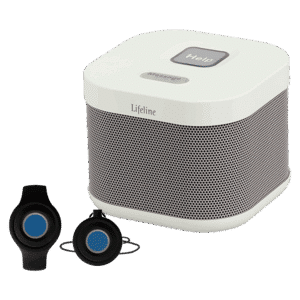
Safer surroundings reduce the chance of a fall, and a medical alert system covers the moments that still happen. With the HomeSafe in-home system, help is one button press away anywhere in the house, so staying home does not mean being out of reach. For many families, that combination, a safer home and a fast way to reach help, is what makes aging in place feel realistic. That is what Lifeline has always been about. Not just for the person wearing it, but for everyone who loves them.
Make staying home feel safe. See how Lifeline HomeSafe keeps help within reach, 24/7.
Frequently Asked Questions
What is an aging in place specialist?
It is a trained professional, often a Certified Aging in Place Specialist, who assesses a home and recommends changes that make it safer and more comfortable for growing older, such as grab bars, better lighting, and step-free entries.
What does CAPS stand for?
CAPS stands for Certified Aging in Place Specialist, a credential from the National Association of Home Builders earned by contractors, designers, and therapists who specialize in home modifications for aging.
Do I really need an aging in place specialist?
Not always. For small changes, you can start on your own. A specialist is most useful for larger renovations, after a fall or new diagnosis, or when you want a trained, objective assessment of the whole home.
What are the most important home changes for aging in place?
Grab bars in the bathroom, a no-step shower or entry, brighter lighting, and smooth, trip-free flooring tend to deliver the most safety for the effort.
How does a medical alert system support aging in place?
A medical alert system means help is one button press away at home, so a fall or emergency does not leave someone stranded. It pairs well with home safety changes to make staying home more realistic.