



Here’s a common situation that families across the country face every day. A parent, grandparent, family friend, or other older adult lives alone. If they fall while stepping out of the tub or shower, trip on the stairs, or fall outside, what happens? How long before someone notices?
Older adults often have at least one chronic health condition. High blood pressure, diabetes, heart disease, and dementia are common. What happens if there’s a health emergency and no one is around? Medical alert systems provide protection that puts seniors, friends, and family at ease.
What Is a Medical Alert System?
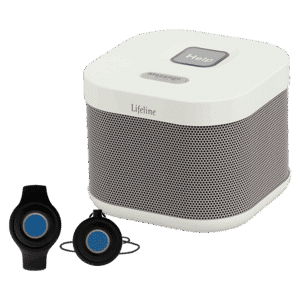
A medical alert system connects the user to a support specialist at a call center through a wearable device worn on the wrist or as a pendant. Some devices offer special features like fall detection or out-of-range triggering, which triggers a response to get help to that person immediately.
The device has two-way speakers, enabling the wearer to talk to and hear the Trained Care Specialist at the call center. That specialist then calls the appropriate person to get immediate help to the subscriber.
For example, a man with a history of diabetes becomes dizzy due to low blood sugar and falls. The wrist button senses the fall, and the Trained Care Specialist calls the wristband to see if he’s okay. He doesn’t answer, so the specialist alerts paramedics and also calls others on the list, such as a neighbor or family member.
Why the Right System Matters
When my mom needed a medical alert system, we made a mistake that every family should consider. She was in the early stages of Alzheimer’s and lived alone. She could still reheat meals and take care of herself, but we wanted her to have access to immediate help when we were at work.
We got her a medical alert system. She tossed out the pendant every time we turned our backs. She wasn’t used to wearing a pendant, so it was foreign to her.
Choose a device the user would normally wear. If the older adult is used to wearing a watch, get a wrist device. If the person wears a necklace, get a pendant device.
The best medical alert system is one that the older adult will wear and use every day without fail. Our guide goes over how to choose the best medical alert system for a senior who lives alone.
Consider the Senior’s Physical Health and Cognitive Needs
What Health Conditions Are Present?
The reality is that 90% of older adults have at least one chronic health condition. More than 1 in 4 older adults have diabetes, and more than half have high blood pressure. Almost half have arthritis.
When an older adult lives alone and has any health condition, the risk of a fall, side effects from daily medications, or an unexpected medical event is always there. This heightens the need for fast access to help or sensors that alert professionals if something triggers an alert.
Is There a Fall Risk or History of Dizziness?
If the person has fallen before or has a history of dizziness that puts them at higher risk of a fall, fall detection sensors are a must.
How Are the Person’s Fine Motor Skills?
If the user doesn’t have strong fine motor skills, the tiny buttons on a smartwatch may not help. A larger button is essential.
What Is the Person Used to Wearing?
As mentioned earlier, if the senior won’t wear the device, the system is pointless. Make sure the push-button device is something they would feel comfortable wearing. A clip on a belt or keychain lanyard, a watch, a pendant – choose the closest to personal routines to ensure it’s worn each day.
Will the User Remember to Charge the Device?
Many medical alert system pendants or wrist devices use long-lasting batteries that the company replaces for free. If it is a rechargeable device, make sure the user will remember to keep it charged.
Does the Person Get Disoriented Easily or Wander Off?
Not everyone has the best sense of direction, and conditions like mild cognitive impairment, old age, or vision changes may increase the risk of disorientation. If wandering is a concern, GPS tracking is essential.
Consider the Senior’s Lifestyle and Habits
Even a healthy older adult can benefit from a medical alert system. Daily routines and habits can make access to help essential.
Does the Person Tend to Stay at Home or Often Go Out?
If an older adult loves to walk on the trails behind the house, the risk of tripping on a tree root or slipping in mud is high. Falling in the woods, well away from view, increases the importance of a GPS tracker and the ability to call for help.
How Often Do Family Members, Friends, Caregivers, or Friends Visit?
Some older adults don’t have family nearby. For a senior living alone, if it’s months before anyone notices the senior isn’t active, it’s too late to get help. Even once-a-week check-ins from a caregiver can be too late.
What Are the User’s Hobbies?
What does the person like to do? Becoming overheated while gardening can make it hard to get back inside without help. Pressing a button could bring medical responders to offer support and ensure the user stays hydrated and cools down.
Does the User Take a Daily Shower or Bath?
Every year, around 28% to 35% of older adults fall at least once. More than 250,000 of those falls occur in the bathtub or shower. Fall detection and emergency medical access are critical for seniors who live alone and have no one around during a bath or shower.
Understand the Three Main Medical Alert Systems
With three main medical alert system options, it’s important to understand how each works.
- In-Home: A home base connects to a phone line or cellular network, depending on whether cell signals are strong in and around the home. The older adult wears a wrist or pendant device with a push button and speakerphone-like technology that connects the wearer to a medical response center. Often, the system must be used within an 800-foot range.
- Mobile: The system is mobile and uses two-way voice communication and cellular service to connect the user with a medical response center. It’s an on-the-go system.
- Medical Alert Smartwatches: Medical alert smartwatches are similar to mobile systems, but they add features like heart rate monitoring and step tracking.
All of these systems share similar features:
- 24/7 monitoring and emergency response
- Access to 140 languages
- Battery backup on the in-home box, providing service during a power outage
- Caregiver/Family Member App
- Cellular connectivity
- Professional installation
- Two-way voice with speaker volume
- Waterproof/water-resistant for use in showers and baths
You can also add features to the customized medical alert plan, such as:
- Automated Medication Dispensing System: An automated medication system dispenses the older adult’s pills at the right time each day, prevents missed doses, and alerts you when it’s time to refill.
- CareCompass: Access to a nurse for guidance on new or returning symptoms.
- Fall Detection: Sensors detect a fall and immediately call a specialist.
- GPS: Tracking of the wearer’s location.
- Protection Plans: Avoid any out-of-pocket costs for equipment replacements.
Explore the Costs and Contract Terms
How much does a medical alert system cost? It’s hard to answer because it depends on the type of device, the add-on services, and the location. When you’re shopping for a medical alert system, know that plans are customized to fit your budget. You should ask these questions before agreeing to any plan.
- Is there a one-time equipment cost, or is it included?
- Is there an activation fee or programming fee?
- What is the monthly monitoring fee?
- Is there a free trial?
- Do you require a long-term agreement?
- If I return the system, what are the return and cancellation policies?
As Lifeline medical alert services are customized to the user’s needs, contact us to get a free quote.