



That pins-and-needles feeling, or numbness and tingling in hands and feet, becomes more common with age. Often, it is harmless and passes, but ongoing symptoms can be a sign of a nerve or circulation issue worth looking into. Similarly, swollen legs and ankles can sometimes signal an underlying issue, especially when accompanied by other symptoms. Here is what to know.
QUICK ANSWER
Swelling in the legs and ankles (called edema) is common in older adults. It is often caused by sitting or standing too long, being less active, or a medication side effect, but it can also signal a heart, kidney, or circulation problem. Easing it is often simple, but new, sudden, or one-sided swelling should be checked by a doctor.
Common Causes of Swollen Legs and Ankles
Swelling happens when fluid builds up in the tissues, usually in the lower legs where gravity pulls it. In older adults the common causes include:
Frequent reasons for swelling in seniors
- Sitting or standing in one position for a long time
- Being less physically active than before
- A side effect of certain medications
- Veins that return blood less efficiently with age
- Heart, kidney, or liver conditions
- A blood clot, which usually affects one leg and needs urgent care
Simple Ways to Ease Swelling at Home
Everyday steps that often help
- Raise your legs on a footstool or pillows, above heart level when you can
- Move regularly: short walks and gentle ankle circles keep fluid moving
- Avoid sitting or standing still for long stretches
- Reduce salt, which makes the body hold on to fluid
- Ask your doctor whether compression socks could help
- Stay hydrated, which helps the body balance fluid
Reducing salt helps with more than swelling. Our tips on low-sodium eating are a useful companion.
When Swelling Needs a Doctor
See a doctor promptly, or call 911, if swelling comes with
swelling in only one leg that is painful, red, or warm (a possible blood clot), shortness of breath or chest pain, sudden or severe swelling, or swelling with a fever. New or worsening swelling, even without these signs, is worth a doctor visit.
A note on this guide
This article is general information, not medical advice. It does not diagnose any condition. If the symptom is new, frequent, severe, or worrying, see a doctor, and call 911 for emergency warning signs.
Swelling, Mobility, and Staying Safe
Beyond comfort, swollen legs and feet can make walking harder and less steady, which raises the risk of a fall. Keeping gently active, easing the swelling, and making the home safer all help you stay mobile and confident. It also helps to know that if a fall does happen, help is within reach.
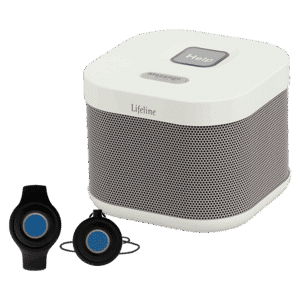
That reassurance is what Lifeline provides. With help one button press away, staying independent at home feels safer. That is what Lifeline has always been about. Not just for the person wearing it, but for everyone who loves them.
Stay mobile and supported. See how Lifeline keeps help within reach, 24/7.
Frequently Asked Questions
What causes swollen legs and ankles in the elderly?
Common causes include sitting or standing too long, being less active, medication side effects, and veins that work less efficiently with age. Heart, kidney, and circulation conditions can also cause swelling.
How can seniors reduce swelling in the legs and ankles?
Raising the legs, moving regularly, reducing salt, staying hydrated, and asking a doctor about compression socks can all help. Avoid sitting or standing still for long stretches.
When is swollen ankles a serious sign?
Get prompt care for swelling in one leg that is painful, red, or warm, or swelling with shortness of breath, chest pain, or a fever. Sudden or severe swelling also needs a doctor. These can signal a blood clot or a heart problem.
Does salt cause swollen ankles?
Too much salt makes the body hold on to fluid, which can worsen swelling. Reducing salt is one of the simpler steps that often helps ease swollen legs and ankles.
Can swollen legs make falls more likely?
Yes. Swelling can make walking harder and less steady, which raises the risk of a fall. Easing the swelling, staying active, and keeping a way to reach help within reach all help.