







That pins-and-needles feeling, or numbness and tingling in hands and feet, becomes more common with age. Often, it is harmless and passes, but ongoing symptoms can be a sign of a nerve or circulation issue worth looking into, especially because reduced feeling in the feet can affect balance and safety. Here is what to know.
QUICK ANSWER
Numbness and tingling in the hands and feet in older adults is often caused by nerve changes (peripheral neuropathy), reduced circulation, pressure on a nerve, or conditions such as diabetes. Occasional pins and needles is usually harmless, but numbness that is persistent, spreading, or affects balance should be checked by a doctor.
Common Causes of Numbness and Tingling
Numbness and tingling happen when nerves are affected by pressure, reduced blood flow, or damage. In older adults the common causes include:
Frequent reasons for numbness and tingling
- Peripheral neuropathy, or nerve changes, often linked to diabetes
- Reduced circulation to the hands and feet
- Pressure on a nerve, such as carpal tunnel in the wrist
- Vitamin deficiencies, especially vitamin B12
- Side effects from certain medications
- Sitting or resting in one position too long
Simple Steps That Can Help
Everyday steps that often help
- Keep moving to support circulation, with gentle regular activity
- Manage blood sugar carefully if you have diabetes
- Ask your doctor about checking vitamin B12 levels
- Change position often and avoid crossing your legs for long periods
- Protect your feet and check them daily if sensation is reduced
- Review your medications with your doctor or pharmacist
When Numbness Needs a Doctor
See a doctor, or call 911, if numbness
comes on suddenly, affects one side of the body, or comes with weakness, trouble speaking, confusion, or a drooping face. These can be signs of a stroke and need emergency care. For numbness that is persistent, spreading, or affects your balance, book a doctor visit.
A note on this guide
This article is general information, not medical advice. It does not diagnose any condition. If the symptom is new, frequent, severe, or worrying, see a doctor, and call 911 for emergency warning signs.
Numbness, Balance, and Staying Safe
Reduced feeling in the feet matters for more than comfort. It can make it harder to feel the ground and keep your balance, which raises the risk of a fall. Staying active, caring for your feet, and making the home safer all help. So does knowing that if a fall happens, help is within reach.
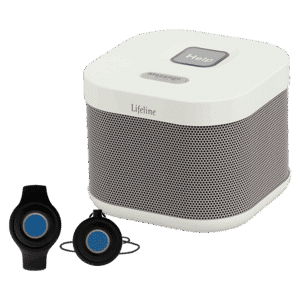
That is where Lifeline fits in. With help one button press away, a loss of sensation does not have to mean being stranded. That is what Lifeline has always been about. Not just for the person wearing it, but for everyone who loves them.
Stay steady and supported. See how Lifeline keeps help within reach, 24/7.
Frequently Asked Questions
What causes numbness and tingling in the hands and feet in the elderly?
Common causes include peripheral neuropathy (often linked to diabetes), reduced circulation, pressure on a nerve such as carpal tunnel, vitamin B12 deficiency, and some medications.
When should I worry about numbness in my hands or feet?
Seek emergency care if numbness comes on suddenly, affects one side, or comes with weakness, trouble speaking, or a drooping face, which can signal a stroke. See a doctor for numbness that is persistent, spreading, or affects balance.
Can poor circulation cause numbness in seniors?
Yes. Reduced blood flow to the hands and feet is a common cause of numbness and tingling in older adults. Staying active supports circulation, and a doctor can check for underlying causes.
Is tingling in the feet a sign of diabetes?
It can be. Peripheral neuropathy from diabetes is a common cause of tingling and numbness in the feet. If you have diabetes or are at risk, mention any tingling to your doctor.
Does numbness in the feet increase fall risk?
Yes. Reduced feeling in the feet makes it harder to sense the ground and keep your balance, which raises the risk of a fall. Caring for your feet and keeping help within reach both help.