








A lingering cough or a bout of breathlessness is easy to wave off as just a cold. But sometimes those same symptoms point to something longer-lasting: chronic obstructive pulmonary disease, or COPD. For older adults and the people who care for them, knowing how to tell the two apart matters, because catching COPD early can make a real difference. This guide walks through how a cold and COPD differ, the warning signs worth watching, and when it is time to see a doctor.
If a cough persists for several weeks and doesn’t improve, you may want to schedule a doctor’s appointment for your loved one.
Quick Answer
COPD symptoms are often mistaken for a common cold or allergies, but there are key differences. A cold typically clears up within one to two weeks, while COPD symptoms — including persistent cough, shortness of breath, and excess mucus — gradually worsen over time. If a cough lasts several weeks without improving, it is worth scheduling a visit with a healthcare provider.
What is COPD?
Chronic obstructive pulmonary disease, commonly known as COPD, is a long-term lung condition that makes it harder to breathe. It presents as either emphysema, chronic bronchitis, or both, and is generally marked by a cough, shortness of breath, excessive mucus, and fatigue. Because those early symptoms are mild and familiar, COPD is often mistaken for allergies, a cold, or a sinus infection. The key difference is that COPD does not pass the way a cold does. It lingers, and over time it slowly worsens.
Symptoms
Early symptoms of COPD to watch for
In its early stages, COPD can be easy to overlook because the signs are subtle. Early symptoms are often limited to occasional coughing and mild shortness of breath, and the mucus is usually clear and not heavy enough to notice. As the American Lung Association notes, these signs are easy to dismiss as a normal part of aging, which is exactly why they are worth paying attention to. Watch for:
- A cough that lingers for weeks rather than clearing up
- Coughing that gradually becomes more frequent
- Bringing up mucus or phlegm on most days
- Getting out of breath more easily than others the same age
- Tiredness, chest tightness, or frequent lung infections
Do not assume breathlessness or a chronic cough is simply a sign of getting older. If these are becoming part of everyday life, it is worth a conversation with a doctor.
Note: COPD is the third leading cause of death in the U.S., according to the National Heart, Lung, and Blood Institute. Eventually, both the heart and lungs are affected. The heart cannot continue to pump oxygenated blood to the vital organs, and this leads to death.
Diagnosis and Treatment
COPD symptoms can quickly become disabling, although most of them can be greatly reduced through treatment. Before treatment begins, however, a diagnosis must be made. Differentiating between COPD and another respiratory issue requires a series of tests to determine the health, function, and capacity of the lungs. When diagnosing COPD, Cleveland Clinic uses chest X-rays, blood gas testing, pulse oximetry monitoring, lung compliance and volume tests, cardiopulmonary stress tests, spirometry, and methacholine challenge tests.
According to the American Lung Association, each case of COPD is different, and no one treatment is right for everyone. The doctor will create a treatment plan based on your loved one’s symptoms, needs, and abilities. Fortunately, a variety of medications work well to combat COPD. These include corticosteroids, bronchodilators, and anti-cholinergics. If daily activities are greatly impaired due to reduced lung function, supplemental oxygen can be prescribed.
The bottom line
A cold comes and goes, but COPD stays and slowly worsens. That difference in timing is the clearest clue you have. If a cough, mucus, or breathlessness lingers for weeks or keeps coming back, do not brush it off as a stubborn cold or simple aging. A quick conversation with a doctor can bring answers, and if it is COPD, an early start on treatment can make all the difference.
This article is for general information and is not a substitute for medical advice. If you are concerned about COPD or a persistent cough for yourself or someone you care for, please speak with a qualified healthcare provider.
Frequently Asked Questions
How do you tell the difference between COPD and a cold?
A cold usually improves within one to two weeks. COPD symptoms — including a persistent cough, shortness of breath, and excess mucus — tend to worsen gradually rather than improve. If symptoms linger for several weeks, a doctor’s visit is recommended.
What are the early warning signs of COPD?
Early COPD symptoms are often mild and easy to dismiss. They may include an occasional cough, mild shortness of breath, and a feeling of needing to clear the throat frequently. As the condition progresses, symptoms become more frequent and noticeable.
Is COPD serious for older adults?
Yes — COPD is the third leading cause of death in the U.S. and can significantly affect quality of life and independence. Early diagnosis and treatment can help manage symptoms and slow progression.
What treatments are available for COPD?
Treatment varies depending on the individual. Options may include medications such as bronchodilators, corticosteroids, and anti-cholinergics, as well as supplemental oxygen for more advanced cases. A healthcare provider will create a personalized treatment plan.
Where can seniors with COPD find support?
The American Lung Association offers online support groups and Better Breathers Clubs for people with COPD, their caregivers, and loved ones. These groups provide both practical information and emotional support.
Resources on COPD
Resources exist for seniors and their caretakers to learn more and share their experiences. The American Lung Association runs an online support group for those with COPD, their caregivers, and their loved ones. Better Breathers Clubs offer both practical knowledge and emotional support.
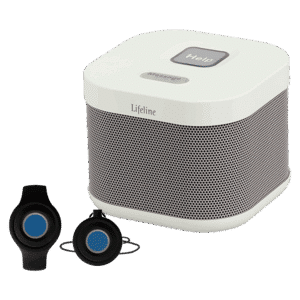
It pays to keep a close eye on the health of your loved one, and to see a doctor any time you have concerns. COPD and other chronic diseases that affect the lungs and heart can have a huge impact on senior health, quality of life, and even independence. For older adults managing COPD at home, a Lifeline medical alert system can provide added reassurance — offering a fast, reliable way to reach help if symptoms suddenly worsen or breathing becomes difficult.