






There is a moment most people recognize. Something feels off — a new symptom, an unusual pain, a medication question that can’t wait until Monday — but it doesn’t quite feel like a 911 situation either. You’re not sure whether to wait it out, call the doctor’s office, or head to urgent care.
That gap between “I’m fine” and “I need emergency help” is exactly what a nurse line is designed for.
Quick Answer
A nurse line connects you to a registered nurse who can assess symptoms, answer health questions, and help you decide what to do next — without a scheduled appointment or an unnecessary emergency room visit. For older adults and their caregivers, 24/7 nurse access means health concerns that arise after hours or between appointments don’t have to wait until morning.
What Is a Nurse Line?
A nurse line — sometimes called a nurse on call or nurse triage service — is a service that connects you to a registered nurse, available to answer health questions, assess symptoms, and help you decide what to do next. Unlike a doctor’s appointment, there is no scheduling required. Unlike an emergency room, there is no wait and no cost of an unnecessary visit.
Nurse lines are staffed by licensed nurses trained to evaluate symptoms, explain medications, and provide guidance based on what you are experiencing in the moment. They are not a replacement for your doctor or for emergency services. They are a resource for the moments that fall somewhere in between.
For older adults and their caregivers, 24/7 nurse access can be especially valuable — health concerns don’t follow office hours, and having a registered nurse available at any hour means you don’t have to wait until morning to get the guidance you need.
When a Nurse Line Can Help
Most people reach for a nurse line in situations like these:
- A new symptom appears after hours or over the weekend and you are not sure if it can wait
- You started a new medication and have a question about side effects or timing
- You or a loved one had a fall and are unsure whether to seek care
- You received discharge instructions from the hospital and something is unclear
- You feel unwell but cannot tell whether it is serious enough to go in
- A caregiver wants a second opinion before deciding whether to call 911
In many of these situations, a registered nurse can help you make a confident, informed decision — without having to guess whether a symptom warrants an urgent care visit or can safely wait until morning.
Avoiding Unnecessary Emergency Department Visits
One of the most practical benefits of having access to a nurse line is the ability to make better decisions about when emergency care is actually needed. Emergency department visits can be costly, time-consuming, and stressful — particularly for older adults. And many of them are for concerns that could have been safely managed at home or at a scheduled doctor’s appointment with the right guidance.
A registered nurse can help you assess whether a symptom is serious enough to warrant an ED visit, what to watch for if you decide to wait, and when it makes sense to escalate. That kind of real-time triage helps families avoid unnecessary visits while making sure that situations that do need immediate attention don’t get overlooked.
Who Benefits Most From This Kind of Access
Nurse lines are useful for anyone managing health decisions, but they can be especially valuable for:
Older Adults Living Independently
Health questions don’t follow business hours. A nurse line for seniors provides 24/7 access to a registered nurse, so you don’t have to wait until morning to find out whether a symptom needs attention today.
Family Caregivers
Caregivers often find themselves fielding health concerns for a loved one — sometimes from a distance, sometimes late at night. A nurse can help you assess the situation, understand the options, and decide on the right next step without having to guess.
Anyone Navigating a New Diagnosis or Medication
The period after a new prescription or diagnosis often comes with questions that feel too minor to call the doctor about but too uncertain to ignore. A nurse can help fill that gap.
What to Expect From a Nurse Line Call
When you connect with a nurse line, the nurse will ask about your symptoms, medical history, and current medications. They will listen, ask follow-up questions, and give you clear guidance — whether that means monitoring symptoms at home, scheduling a doctor’s visit, heading to urgent care, or calling 911.
A good nurse line call is not rushed. The nurse’s job is to help you understand what is happening and what to do about it, in plain language you can act on.
How CareCompass™ Brings This to Lifeline Subscribers
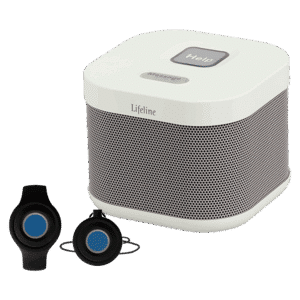
CareCompass™ is Lifeline’s nurse access service, available to subscribers around the clock using the same help button they already wear. When something feels off — a new symptom, a medication concern, a health question that can’t wait — pressing the button connects you to a registered nurse who can assess the situation and help you decide on the right next step.
There is no separate app to download, no new number to remember, and no additional device to carry. CareCompass™ works through the Lifeline system your loved one already has in place.
For families who want their loved one to have reliable access to both emergency help and everyday health guidance, CareCompass™ and a Lifeline medical alert system work together to cover both.
Is a Nurse Line Right for You?
If you or someone you care for manages a chronic condition, takes multiple medications, lives alone, or simply wants a reliable resource for health questions between doctor visits — a nurse line is worth having access to.
The value is not just in the calls you make. It is in knowing the option is there. Having a registered nurse available at any hour changes how you approach uncertain health moments — with more confidence and less unnecessary worry.