








If you worry about a parent living alone, you are not alone, and you are not overreacting. Wanting to know they are safe is one of the most natural parts of caring for an aging parent. The challenge is doing it in a way that reassures you without making them feel watched or treated like a child. The good news is that it is absolutely possible to keep an eye on a loved one while fully respecting their independence and dignity. This guide covers how to do exactly that, including the conversations to have, the devices that help, and the balance that keeps everyone comfortable.
Start with a conversation, not a device
Before buying anything, talk with your parent. The single biggest factor in whether monitoring works is whether they feel part of the decision. Approach it as a team effort: share that you want to support their independence, not limit it, and ask what would make them feel safer. When a parent helps choose the approach, they are far more likely to embrace it. When it is imposed on them, they are far more likely to resist or quietly stop using it.
It also helps to lead with their goals. Most older adults deeply want to stay in their own homes. Framing monitoring as the very thing that makes aging in place possible turns it from an intrusion into a shared plan.
How to monitor an elderly parent at home
There is no single right way to keep an eye on a parent. The best approach usually layers a few light-touch methods so no single one feels heavy-handed. Here are the main options, from simplest to most connected.
1. Establish a regular check-in routine
A daily or every-other-day call, text, or video chat is the simplest form of monitoring, and one of the most meaningful. It reassures you and gives your parent connection, not just oversight. To keep it from feeling like a duty on either side, tie it to something pleasant: morning coffee, a favorite show, or a shared crossword. If you cannot always call yourself, rotate check-ins among siblings or trusted friends.
2. Use a medical alert system with fall detection
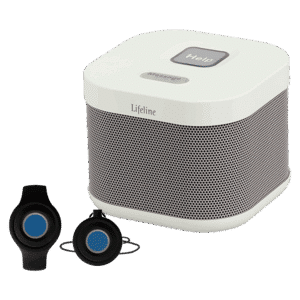
A medical alert device is one of the most respectful monitoring tools available, because it stays completely out of the way until it is needed. Your parent wears a discreet pendant or wristband and simply presses the button if they need help. Many systems also offer automatic fall detection, which can call for help even if your parent cannot press the button themselves. It does not track their every move, which is exactly why so many older adults are comfortable with it. A medical alert system gives you confidence that help is one press away, and options like the On the Go mobile system protect them at home and out in the world.
3. Add activity or motion sensors
For a lighter, more passive approach, activity sensors placed around the home can quietly flag unusual patterns, for example, if the morning routine does not happen as expected, or if there is no movement over an extended period. These systems do not use cameras and do not report every action. They simply notice when something is out of the ordinary and alert you, which respects privacy while still offering reassurance.
4. Consider simple video or voice check-in tools
For families who want face-to-face contact, easy-to-use video calling devices designed for seniors can be a lovely option, more about connection than monitoring. Some smart devices also allow voice check-ins. The key is choosing tools your parent finds genuinely easy, so they feel empowering rather than confusing.
Helpful devices and gadgets for elderly parents living alone
Beyond monitoring, a handful of well-chosen devices can make living alone safer and easier, and give you added peace of mind. Popular options include:
- Medical alert devices with a wearable help button and optional fall detection
- Automatic medication dispensers that remind and dispense the right dose at the right time
- Motion-activated night lights to reduce the risk of falls on nighttime trips
- Smart doorbells and cameras for the entry only, so your parent can see who is at the door
- Voice assistants for hands-free reminders, calls, and simple daily help
- Grab bars and improved lighting, simple, low-tech changes that prevent many falls
You do not need all of these. Start with what addresses your biggest worry, often falls, and build from there. For more ideas, see our guides on helpful things for seniors living alone and how to help parents living alone.
How to monitor without being intrusive
This is the heart of the matter, and where so many well-meaning families go wrong. A few principles keep monitoring supportive rather than smothering:
- Choose the least invasive tool that addresses the real risk. If the worry is falls, a medical alert pendant solves it without cameras watching their every move.
- Avoid cameras inside living spaces. Indoor cameras often feel like surveillance. Sensors that flag only unusual activity respect privacy far better.
- Be transparent. Never monitor secretly. Your parent should always know what is in place and why. Secret monitoring, if discovered, breaks trust deeply.
- Let them keep control. Give your parent the ability to turn things on and off, and revisit the plan together as needs change.
- Frame it around independence. The message is always: this helps you keep living the way you want, safely.
When worry is telling you something
Sometimes the urge to monitor more closely is a sign that a parent’s needs are genuinely changing. If you are noticing missed medications, weight loss, unexplained bruises, confusion, or a decline in how they are keeping up the home, those are worth paying attention to. Our guides on the signs of dehydration in seniors and loss of appetite in seniors can help you recognize early warning signs. When in doubt, a conversation with their doctor is a good next step. And because isolation affects health too, supporting their social connection matters as much as any device.
The bottom line
Monitoring a parent who lives alone does not have to mean choosing between their safety and their dignity. With an open conversation, the right light-touch tools, and a focus on independence rather than control, you can have both: the reassurance you need and the respect they deserve. Start with one honest talk and one simple tool, and build the plan together from there.
That is what Lifeline has always been about. Not just for the person wearing it, but for everyone who loves them.
Frequently asked questions
How can I monitor an elderly parent living alone?
You can combine simple daily check-ins with technology that respects their independence: a medical alert device with optional fall detection, a daily call or text routine, and sensors or apps that flag unusual gaps in activity. The goal is reassurance for you and dignity for them, not surveillance.
How do I check on a parent without being intrusive?
Start by asking what would make them feel safer; their answer usually points to the right approach. Light-touch options like a daily check-in call, a wearable help button, or activity sensors keep you informed without hovering. Framing it as support rather than monitoring helps them welcome it.
What is the best way to know if an elderly parent has fallen?
A medical alert device with automatic fall detection can alert a monitoring center even if your parent cannot press the button. Paired with a daily check-in routine, it gives you a dependable way to know quickly if something is wrong, without needing to call constantly.
What devices help elderly parents living alone?
Helpful devices include medical alert systems with fall detection, automatic medication dispensers, motion-activated night lights, entry cameras or smart doorbells, and voice assistants. Start with the one that addresses your biggest worry, usually falls, and add others as needed.