

Recognizing Stroke Symptoms: A Guide to Quick Action
Recognizing a stroke can save a life, and it’s simpler than you think. Here’s how to spot the warning signs and take quick action when it counts.


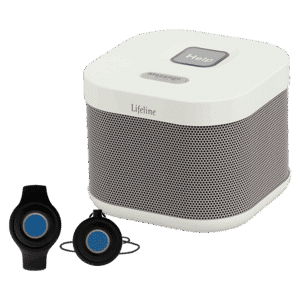


Take our short product selection quiz to see which system best fits your lifestyle
Take the Quiz!
Take our short product selection quiz to see which system best fits your lifestyle
Take the Quiz!
Recognizing a stroke can save a life, and it’s simpler than you think. Here’s how to spot the warning signs and take quick action when it counts.

Sleep is one of the most misunderstood parts of getting older. Many seniors assume poor sleep just comes with age — but research tells a different story. Here’s what actually changes about sleep as you age, and the simple habits that can make a real difference.

COPD symptoms are easy to mistake for a common cold or seasonal allergies — but there are important differences. Here’s how to recognize the signs of COPD, when to see a doctor, and what treatment and support options are available for older adults.

High blood pressure is often called the silent killer because most people feel nothing — until it becomes a crisis. Here’s what warning signs actually look like, which symptoms signal an emergency, and the daily habits that keep your numbers in a healthy range.

Not every health concern is a 911 emergency — but some questions can’t wait until Monday either. A nurse line gives older adults and their caregivers access to a registered nurse around the clock, helping them make confident decisions without an unnecessary trip to the emergency room. Here’s how it works and who benefits most.

Older adults can be dehydrated without even feeling thirsty. Here are the five warning signs to watch for, and simple ways to help.

Dance is one of the most enjoyable ways for older adults to support balance, coordination, and confidence. Whether it’s a beginner class, a seated routine, or a few simple steps at home, here’s how movement and music can work together to support an active, independent life.

The earliest signs of Parkinson’s are often subtle and easy to overlook. Learn what to watch for, and why recognizing them early can make a real difference.

Staying socially connected as you age is one of the most powerful things you can do for your mental and emotional wellbeing. Here’s how social engagement supports mental health, builds confidence, and keeps the mind sharp — and how Lifeline helps older adults stay active and connected with confidence.

Discover why strength training is essential for seniors. Learn how building muscle helps maintain independence, prevent falls, strengthen bones, manage weight, and improve overall quality of life as you age.

Not sure where to start? Get a recommendation from our product quiz.

Fill out a quick form and we'll call you for a free, no-obligation Lifeline quote.